
The Songwe River is an important waterway in East Africa, with significant ecological, geographical, and cultural relevance. Here’s an ultimate guide to understanding the Songwe River, covering its geography, ecosystem, significance, and more:
Understanding the Songwe River's multifaceted role in East Africa provides insight into the complexities of managing natural resources in a way that benefits both people and the environment.
For inquiries, custom tours, or assistance, please don’t hesitate to contact us. Our team is dedicated to helping you plan your dream adventure. Reach out today, and let’s turn your travel aspirations into unforgettable experiences WhatsApp +255754042154 or Email: info@tanzaniaadventures.co.tz .
Tanzania Adventures
Location: The Songwe River is located in East Africa, primarily flowing through parts of Tanzania and Malawi. Its course is influenced by the terrain of these countries, creating a dynamic and varied landscape.
Source: The river originates in the highlands of the Mbeya Region in southwestern Tanzania.
Course: It flows generally southward through Tanzania, forms part of the border between Tanzania and Malawi, and eventually discharges into Lake Tanganyika.
Length: The river is approximately 200 kilometers (124 miles) long.
Biodiversity: The Songwe River basin is rich in biodiversity. It supports various aquatic species, including fish and amphibians, and provides habitat for wildlife such as birds and mammals.
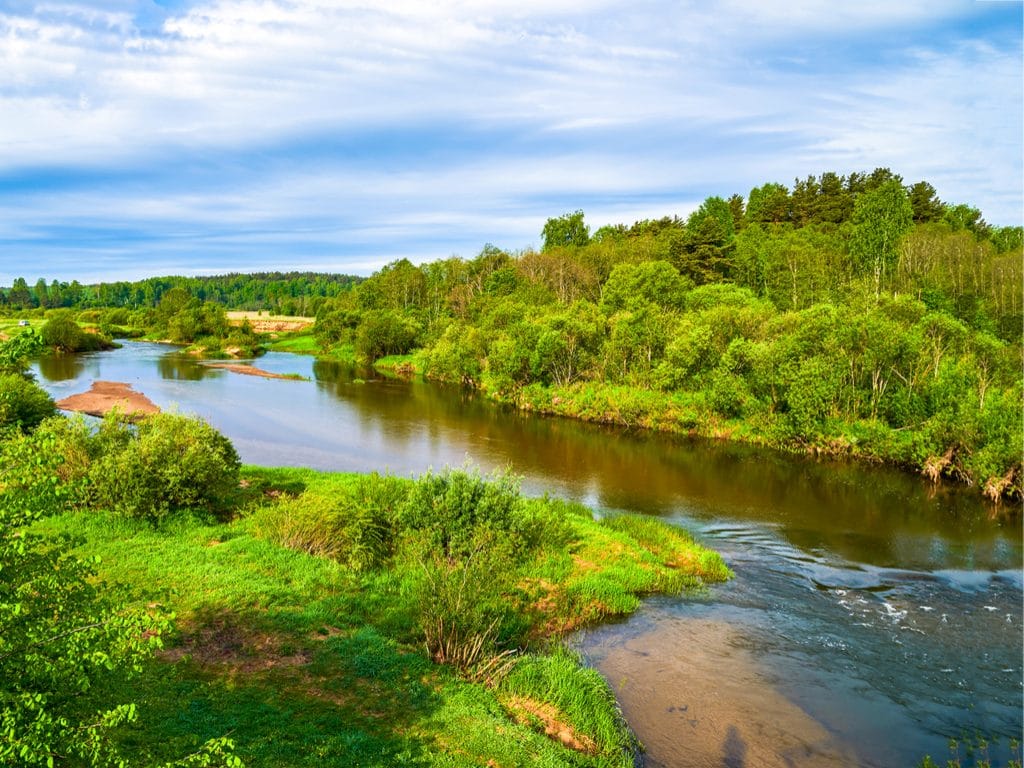
Vegetation: The riverine areas are characterized by lush vegetation and wetlands, which are crucial for maintaining the ecological balance and supporting local wildlife.
Environmental Challenges: Like many rivers, the Songwe River faces challenges such as deforestation, pollution, and climate change, which can impact its health and the surrounding ecosystems.
Local Communities: The river is vital for local communities who rely on it for fishing, agriculture, and as a source of water. It plays a crucial role in the livelihoods of people living in the river basin.
Agriculture: The river's waters are used for irrigation, supporting agriculture in the region. This includes growing crops such as maize and rice, which are staples for local diets.
Fishing: The Songwe River provides an important source of fish, which is a key protein source for many local communities.
Protection Efforts: Conservation efforts are in place to protect the river’s ecosystem. These include initiatives to reduce pollution, manage water resources sustainably, and preserve the natural habitats along the river.
Regional Cooperation: Since the river flows through both Tanzania and Malawi, cross-border cooperation is essential for effective management and conservation. Regional agreements and joint projects often aim to address environmental concerns and promote sustainable development.
Tourism Potential: The river and its surroundings offer opportunities for eco-tourism and recreation, including bird watching, fishing, and exploring the natural beauty of the area.
Challenges: Developing tourism in a way that respects the local environment and communities can be challenging. Balancing economic benefits with conservation is crucial for sustainable tourism.
Historical Significance: The Songwe River has played a role in the history and development of the region. It has been a route for trade and travel and has influenced the cultural practices of the local communities.
Cultural Practices: Various local cultures have traditional practices and beliefs associated with the river, reflecting its importance in their daily lives and spiritual practices.
Climate Change Impact: The river’s flow and ecosystem are vulnerable to the impacts of climate change, including changes in precipitation patterns and increased temperatures.
Sustainable Development: Future development plans need to focus on sustainability to ensure that the river continues to support both ecological health and the needs of local communities.