Sure! Here’s your ultimate guide to Saanane Island in Mwanza, Tanzania .Saanane Island is a small island located in Lake Victoria near Mwanza,
Saanane Island offers a tranquil escape with a mix of wildlife, natural beauty, and cultural experiences. Enjoy your visit and immerse yourself in the serene environment of Lake Victoria!
For inquiries, custom tours, or assistance, please don’t hesitate to contact us. Our team is dedicated to helping you plan your dream adventure. Reach out today, and let’s turn your travel aspirations into unforgettable experience WhatsApp +255754042154 or Email: info@tanzaniaadventures.co.tz
Tanzania Adventures
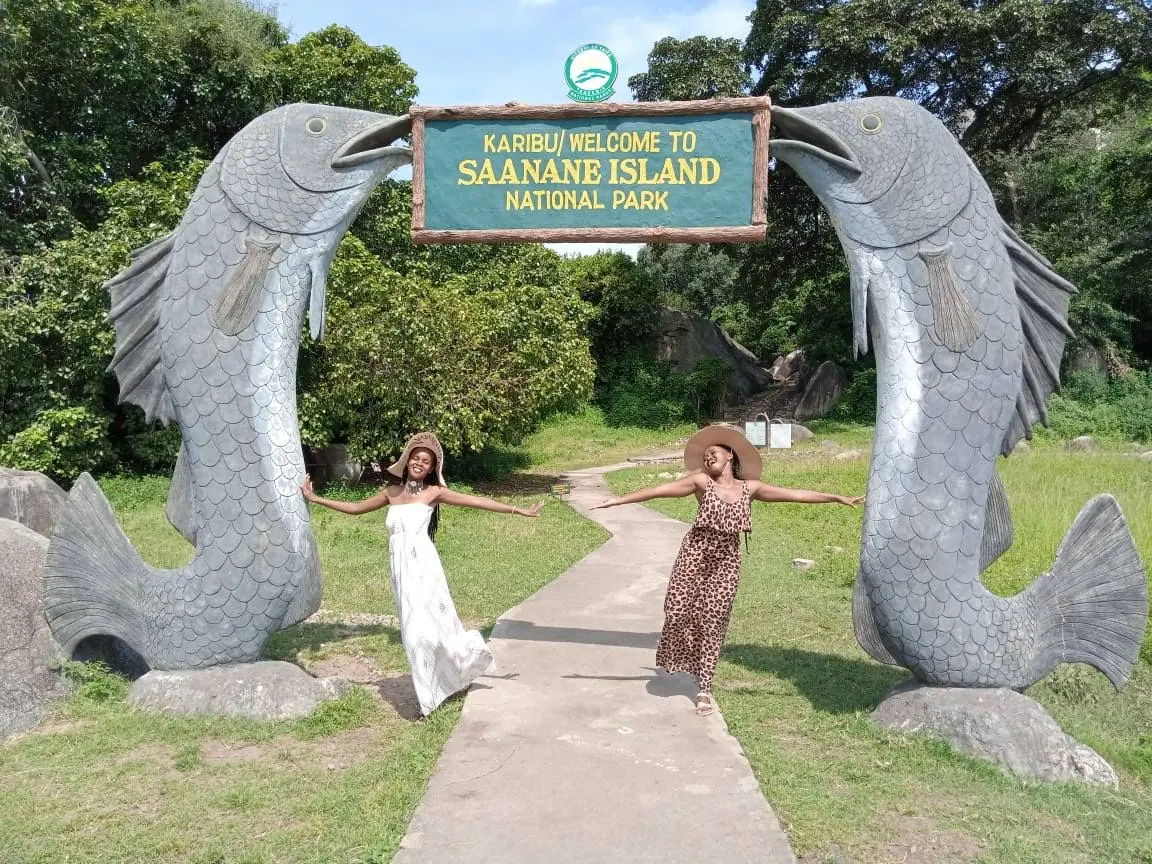
Saanane Island is a small island located in Lake Victoria near Mwanza, Tanzania. It is renowned for its natural beauty, wildlife, and as a peaceful getaway from the bustling city. The island is part of the Saanane Island National Park, which was established to protect its unique ecosystem and wildlife.
Address: Saanane Island, Lake Victoria, Mwanza, Tanzania.
Coordinates: Approximately 2.5142° S latitude and 32.9251° E longitude.
Access:
By Boat: The primary way to reach the island is by boat from Mwanza. Several local boat services and tour operators offer trips to the island.
By Air: Mwanza can be reached by domestic flights from major Tanzanian cities. From the Mwanza airport, you can arrange transportation to the boat dock.
Wildlife Viewing: The island is home to various species, including impalas, giraffes, zebras, and several bird species. It’s a great spot for wildlife photography and observing animals in their natural habitat.
Nature Trails: Enjoy guided walking safaris and nature trails. The island offers scenic views and opportunities to experience its diverse flora and fauna.
Bird Watching: With numerous bird species, Saanane Island is a haven for bird watchers. Look out for local and migratory birds.
Fishing: Fishing in Lake Victoria is popular. You can organize fishing trips with local guides who can help you catch a variety of fish species.
Dry Season (June to October): This is the best time to visit due to pleasant weather and lower chances of rain. Wildlife is more visible as animals are easier to spot.
Wet Season (November to May): While the island is lush and green, it can be rainy and muddy. Some activities might be less accessible.
On-Island Lodging: Limited accommodation options are available on the island itself. It’s recommended to check with local tour operators or national park authorities for up-to-date lodging options.
Mwanza City: Alternatively, you can stay in Mwanza and make day trips to the island. Mwanza offers various hotels and lodges ranging from budget to luxury.
Booking in Advance: It’s advisable to book boat trips and accommodation in advance, especially during peak tourist seasons.
Pack Accordingly: Bring essentials such as sunscreen, insect repellent, a hat, comfortable walking shoes, and a camera.
Respect Wildlife: Follow park rules and guidelines to ensure a safe and respectful interaction with the wildlife.
Health Precautions: Ensure you have the necessary vaccinations and malaria prophylaxis as a precaution for traveling in tropical areas.
Safety: Be cautious around wildlife and adhere to safety instructions provided by guides or park rangers.
Local Etiquette: Respect local customs and traditions. Be polite and considerate to locals and other visitors.
Mwanza City: Explore Mwanza’s vibrant markets, restaurants, and cultural sites.
Bujora Cultural Centre: Located nearby, this center offers insights into the traditions and culture of the Sukuma people.
Rubondo Island National Park: A more remote island park on Lake Victoria, known for its diverse wildlife and bird species.
Leave No Trace: Follow principles of responsible tourism. Avoid littering and respect the natural environment to help preserve the island’s beauty.
Support Conservation Efforts: Engage with and support local conservation initiatives and eco-friendly practices.
Swahili: The primary language spoken on the island and in Mwanza. Learning a few basic phrases can enhance your experience, though many guides and locals may speak English.