
Saadani National Park, located in Tanzania's Tanga Region, is a unique destination combining wildlife adventure with coastal beauty. Established in 1966 as a game reserve and upgraded to a national park in 2002, Saadani is renowned for its diverse ecosystems and rich biodiversity.
Introduction to Saadani National Park Saadani National Park is a unique and relatively lesser-known park located in Tanzania. Here’s a comprehensive overview of what makes it special: Saadani National Park offers a distinctive blend of wildlife and coastal scenery, making it a unique destination for those seeking a different Tanzanian safari experience.
Tanzania Adventures
Region: Tanga Region, Tanzania.
Proximity: Situated on the coast of the Indian Ocean, about 50 kilometers southeast of the town of Pangani..
Established: 1966.
Original Purpose: It was originally established as a game reserve but was upgraded to a national park in 2002 to protect its diverse ecosystems and wildlife..
Size: Approximately 1,106 square kilometers (427 square miles)..
Terrain: The park features a mix of coastal, forest, and savanna environments. It has a coastline along the Indian Ocean, with sandy beaches and estuarine systems..
Climate: The climate is typically tropical with a hot and humid atmosphere. Rainfall is seasonal, with a wetter period from March to May and a shorter rainy season from October to December..
Wildlife: Saadani is notable for its variety of wildlife, including:.
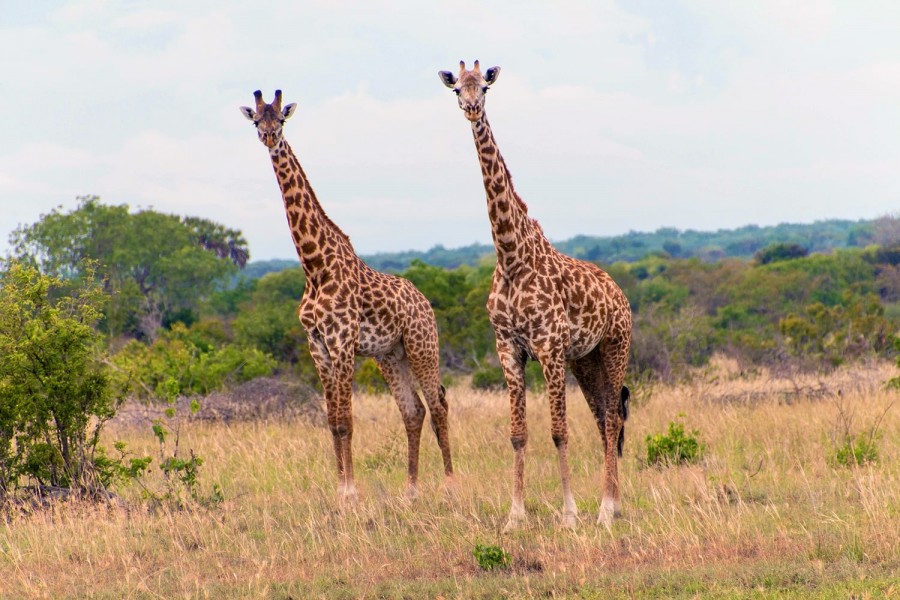
Mammals: Elephants, giraffes, buffaloes, lions, and a variety of antelope species. It’s also known for its population of the endangered black rhino..
.Marine Life: Due to its coastal location, the park also supports a range of marine life, including sea turtles and dolphins.
Birds: The park is a birdwatcher’s paradise, with species such as the fish eagle, kingfishers, and various waterfowl..
Game Drives: Explore the park's diverse landscapes and wildlife through guided game drives..
Boat Safaris: Enjoy boat trips along the Wami River and the coast, which provide opportunities to see aquatic species and enjoy the scenic beauty..
Beaches: Relax on the park’s pristine beaches, which are less crowded than those in more popular tourist areas..
Cultural Experiences: Visit nearby local villages to experience traditional Swahili culture and learn about the history and customs of the area..
Protection: The park is protected to ensure the conservation of its unique habitats and wildlife. Efforts are made to prevent poaching and habitat destruction..
Community Involvement: There are ongoing initiatives to involve local communities in conservation efforts, ensuring that they benefit from the park's preservation through eco-tourism and other activities..
Access: The park can be reached by road from Dar es Salaam or by air through charter flights to the nearest airstrip.
Accommodation: Options range from basic campsites to more comfortable lodges, including some that are located within or near the park..
Human-Wildlife Conflict: There are challenges related to human-wildlife conflict, particularly in areas where wildlife comes into contact with local communities..
Environmental Pressure: Coastal areas face pressures from development and climate change, which impact the park’s delicate ecosystems.