Certainly! Here’s an ultimate guide to Nyerere National Park, formerly known as Selous Game Reserve, in Tanzania. This guide covers all aspects from planning your visit to experiencing the park’s attractions.
This ultimate guide provides a thorough overview of what to expect and how to prepare for a visit to Nyerere National Park. Enjoy the incredible wildlife, scenic beauty, and diverse activities that this vast and fascinating park has to offer!
For inquiries, custom tours, or assistance, please don’t hesitate to contact us. Our team is dedicated to helping you plan your dream adventure. Reach out today, and let’s turn your travel aspirations into unforgettable experience WhatsApp +255754042154 or Email: info@tanzaniaadventures.co.tz
Tanzania Adventures
Nyerere National Park, located in southern Tanzania, is one of the largest and most ecologically diverse protected areas in Africa. Covering an area of about 30,893 square kilometers (11,500 square miles), it offers a vast landscape of savannahs, woodlands, and wetlands. The park is named in honor of Julius Nyerere, Tanzania’s first President.
Getting There
By Air:
Julius Nyerere International Airport (DAR): The primary gateway to Tanzania, located in Dar es Salaam, about 3-4 hours by road from the park.
Other Airports: You can also fly into other major airports like Kilimanjaro International Airport (JRO) and connect via domestic flights or road transfers.
By Road:
From Dar es Salaam: The park is approximately 200-250 kilometers away. The drive takes about 3-5 hours, depending on road conditions.
From Ruaha National Park: A popular route if you are combining safaris, taking about 5-6 hours.
By Air: Domestic flights are available from Dar es Salaam to airstrips within the park, such as Mtemere or Siwandu airstrips. Flights offer a quick and scenic way to reach the park.
Best Time to Visit:
Dry Season (June to October): Ideal for game viewing as animals congregate around water sources, and vegetation is less dense. The weather is generally sunny and warm.
Wet Season (November to May): The park becomes lush and green, with fewer tourists. The wet season sees dramatic changes in landscapes, but some areas may be less accessible due to rain.
Activities and Attractions:
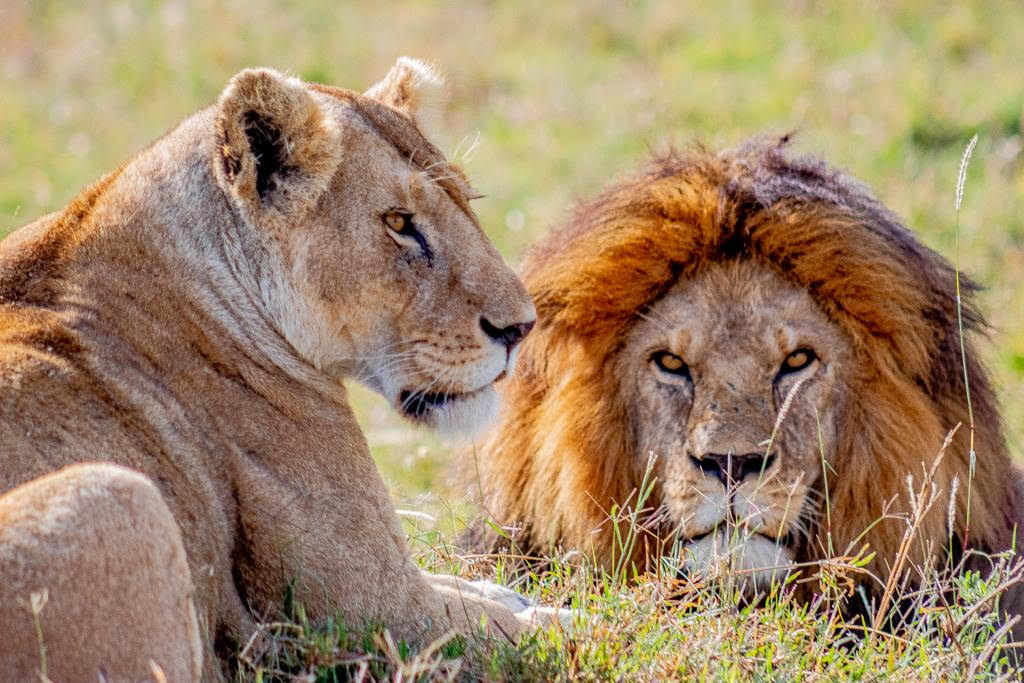
Wildlife Viewing: Nyerere National Park is known for its diverse wildlife, including elephants, lions, buffaloes, giraffes, zebras, and hippos. The park also has a significant population of rare species like the African wild dog.
Scenic Routes: Enjoy the varied landscapes, from floodplains and woodlands to riverine areas, offering different wildlife viewing opportunities.
River Cruises: Explore the Rufiji River and its channels. Boat safaris offer unique perspectives on wildlife, particularly hippos, crocodiles, and bird species.
Bird Watching: The park is a birdwatcher’s paradise with over 400 recorded species, including fish eagles and kingfishers.
Guided Walks: Experience the park on foot with a knowledgeable guide. Walking safaris provide close-up encounters with smaller wildlife and a deeper understanding of the ecosystem.
Campsites: Several campsites within the park offer basic facilities and a close-to-nature experience. Booking in advance is recommended.
Luxury Lodges: Nyerere National Park has various luxury lodges and tented camps, such as Siwandu Camp and Selous Serena Camp, providing comfortable accommodations and excellent service.
Accommodation:
Siwandu Camp: Known for its prime location on Lake Siwandu, offering luxurious tents and excellent game viewing.
Selous Serena Camp: Located along the Rufiji River, providing luxury accommodations and guided activities.
Selous Mapumziko Lodge: Offers comfortable accommodation with a focus on eco-friendly practices.
Various Campsites: For a more adventurous experience, several campsites within the park offer basic amenities and a closer connection to nature.
Travel Tips:
Health Precautions: Ensure you have necessary vaccinations and malaria prophylaxis. Carry a basic first-aid kit.
Gear: Bring lightweight, breathable clothing, a wide-brimmed hat, sunscreen, insect repellent, and binoculars for wildlife viewing.
Wildlife Safety: Always follow the guidance of your guide and stay within the safety of your vehicle or camp. Respect wildlife from a distance.
Road Conditions: If traveling by road, be prepared for varying conditions, and consider hiring a 4x4 vehicle for better accessibility.
Leave No Trace: Follow principles of responsible tourism by minimizing your impact on the environment and respecting wildlife.
Local Culture: Be respectful of local communities and their customs.
Useful Contacts:
Park Management: Contact the Nyerere National Park management for updated information on park regulations, fees, and permits.
Local Tour Operators: Engage with reputable tour operators for guided safaris and accommodation arrangements. They can provide detailed itineraries and ensure a smooth experience.
Local Highlights:
Scenic Drives: Enjoy the diverse landscapes of Nyerere National Park, including riverine forests, savannahs, and wetlands.
Cultural Insights: Explore the rich culture of the local communities living around the park, and learn about their traditional ways of life.