The Mara River is one of East Africa’s most significant and iconic rivers, known for its role in the Great Migration and its diverse wildlife. Here’s an ultimate guide to exploring the Mara River, covering key aspects to make your visit memorable.
This guide provides a comprehensive overview of visiting the Mara River in the Maasai Mara National Reserve, helping you plan an enriching and memorable safari experience. Enjoy your adventure!
For inquiries, custom tours, or assistance, please don’t hesitate to contact us. Our team is dedicated to helping you plan your dream adventure. Reach out today, and let’s turn your travel aspirations into unforgettable experience WhatsApp +255754042154 or Email: info@tanzaniaadventures.co.tz
Tanzania Adventures
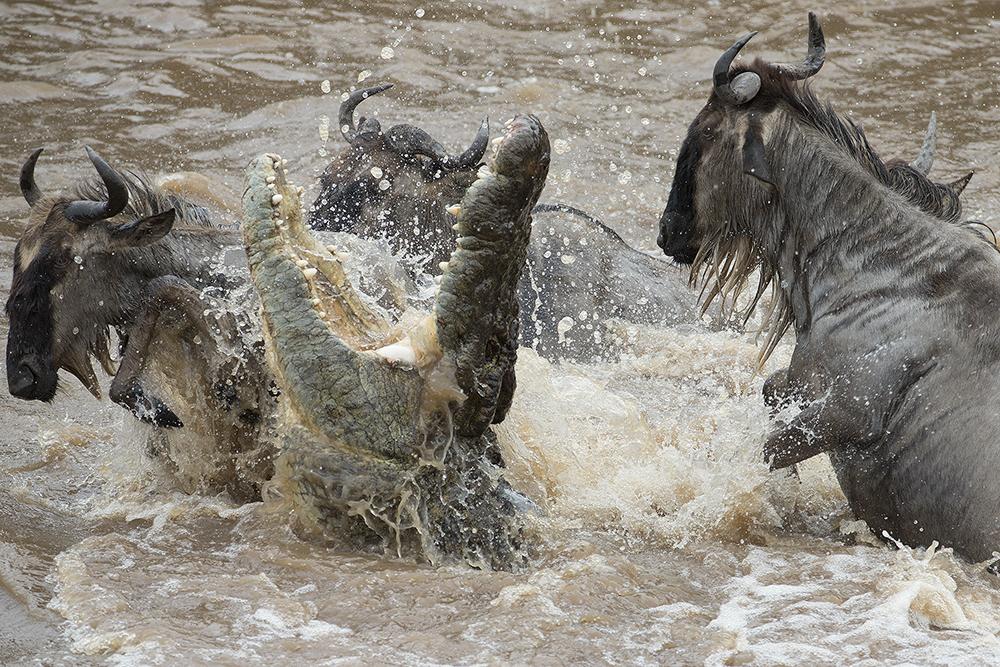
The Mara River is a crucial watercourse in Kenya, flowing through the Maasai Mara National Reserve. It is renowned for its role in the Great Migration, which sees millions of wildebeest, zebras, and gazelles crossing the river.
The Maasai Mara is also deeply intertwined with Maasai culture, offering a rich cultural and natural experience.
Region: Maasai Mara National Reserve, Kenya
Coordinates: Specific coordinates vary along the river. Major crossing points like the ones near the Mara Serena Safari Lodge or the Kichwa Tembo area are popular spots for viewing.
Season:
Dry Season (June to October): Ideal for witnessing the Great Migration as herds of wildebeest and other animals cross the river. The dry weather also makes for easier travel and game viewing.
Wet Season (November to May): The river is fuller and more dramatic, but accessibility can be challenging due to rain and muddy roads. However, the landscape is lush and green, and wildlife sightings can still be rewarding.
Migration Timing: The peak of the Great Migration typically occurs from July to October. This is when the river crossings are most dramatic and abundant.
By Air:
Nearest Major Airport: Wilson Airport (NBO) in Nairobi or Kisumu Airport. From Nairobi, you can take a scheduled or charter flight to airstrips in the Maasai Mara, such as Mara Serena Airstrip or Kichwa Tembo Airstrip.
By Road:
From Nairobi: Drive to the Maasai Mara National Reserve. The journey typically takes 5-6 hours on rugged roads.
Consider hiring a 4x4 vehicle or joining a guided tour for a more comfortable trip.
From Kisumu: It’s a longer drive but still possible. The roads can be rough, so a reliable vehicle is important.
Guided Tours: Many tours include transportation, accommodation, and guided safaris. This can be a convenient option for exploring the Mara River and the Maasai Mara.
Great Migration: Witness the incredible river crossings of wildebeest, zebras, and gazelles. The drama of the migration is one of the highlights of visiting the Mara River.
Game Drives: Explore the Maasai Mara National Reserve on guided game drives to see a variety of wildlife, including predators that follow the migration.
Cultural Experiences: Engage with the Maasai community to learn about their traditions, customs, and lifestyle. Visits to Maasai villages offer insights into their way of life.
River Cruises: Depending on availability, take a boat safari to see wildlife from the river and enjoy a different perspective of the area.
Birdwatching: The river and surrounding areas are rich in birdlife, including species like the African fish eagle and various waterfowl.
Clothing: Lightweight, breathable clothing suitable for safari activities. Neutral colors like khaki or olive are recommended. Bring a hat, sunglasses, and a light jacket for cooler mornings and evenings.
Footwear: Comfortable and durable walking shoes or safari boots.
Gear: Binoculars for wildlife and birdwatching, a camera with a zoom lens for capturing wildlife and the river, and a water bottle.
Supplies: Sunscreen, insect repellent, and a basic first aid kit. If planning on cultural visits, consider respectful attire when interacting with the Maasai community.
Scenery: Expect diverse landscapes along the Mara River, including lush riverbanks and open savannahs. The environment changes with the seasons, from green and vibrant to dry and golden.
Wildlife: The river is teeming with wildlife, especially during the Great Migration. The presence of predators near the river adds to the excitement.
Wildlife: Always maintain a safe distance from wildlife. Follow the guidance of your safari guide to ensure safety around predators and during river crossings.
Health: Ensure you have necessary vaccinations and malaria prophylaxis. Carry a basic first aid kit and be aware of medical facilities in the area.
Travel: Be prepared for rough or muddy roads, especially during the wet season. A 4x4 vehicle is recommended, and consider traveling with an experienced guide.
Maasai Mara National Reserve: Explore other parts of the reserve for additional wildlife viewing and scenic landscapes.
Maasai Villages: Visit nearby Maasai villages to experience local culture and traditions firsthand.
Respect the Environment: Follow Leave No Trace principles and respect the natural habitat of wildlife. Avoid disturbing wildlife and maintain clean surroundings.
Support Local Conservation: Engage with and support conservation initiatives focused on preserving the Mara River ecosystem and supporting local communities.
Local Guides: Hiring experienced local guides can enhance your visit by providing insights into both wildlife and Maasai culture. They can also ensure a safe and informative experience.
Visitor Information: Contact local tourism offices or visitor centers in Nairobi or Maasai Mara for the latest information on access, conditions, and travel advice.