
Lake Victoria is one of Africa's most significant and diverse natural landmarks. Here's a comprehensive guide to help you understand and explore this incredible lake:
Whether you're interested in wildlife, adventure, or simply experiencing the vibrant cultures along its shores, Lake Victoria offers a wealth of opportunities for exploration and discovery.
For inquiries, custom tours, or assistance, please don’t hesitate to contact us. Our team is dedicated to helping you plan your dream adventure. Reach out today, and let’s turn your travel aspirations into unforgettable experiences WhatsApp +255754042154 or Email: info@tanzaniaadventures.co.tz
Tanzania Adventures
Location: Lake Victoria is located in East Africa and is bordered by three countries: Tanzania, Uganda, and Kenya.
Size: It’s the largest lake in Africa and the second-largest freshwater lake in the world by surface area, covering about 68,800 square kilometers (26,600 square miles).
Depth: The average depth is about 40 meters (130 feet), with a maximum depth of around 83 meters (272 feet).
Major Inflows: The lake receives water from numerous rivers, with the most significant being the Kagera River, which is considered the longest source of the Nile.
Outflow: Lake Victoria is the main source of the Nile River, which flows northward through Uganda and Sudan to Egypt.
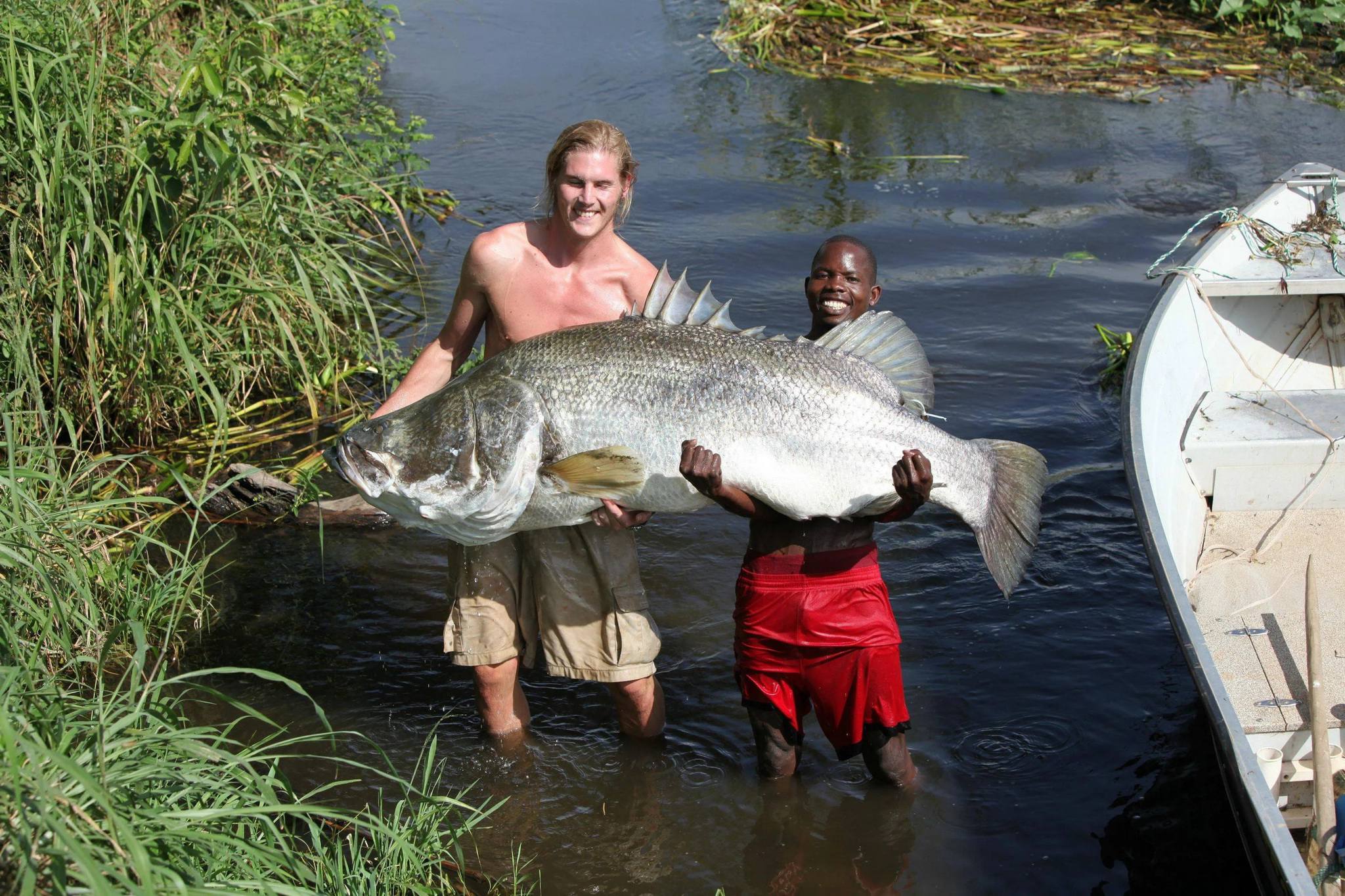
Fish Species: The lake is home to over 500 species of cichlid fish, many of which are found nowhere else in the world.
However, the introduction of non-native species like the Nile perch has significantly impacted the ecosystem.
Birdlife: It supports a variety of bird species, including the African fish eagle and various herons and kingfishers.
Temperature: The region around Lake Victoria generally has a tropical climate with temperatures ranging from 20°C to 30°C (68°F to 86°F).
Rainfall: Rainfall is abundant, especially during the rainy seasons, which are typically from March to May and October to December.
Fishing: The lake is a critical resource for local communities, providing a significant source of livelihood through fishing. However, overfishing and pollution are major concerns.
Transport: The lake serves as a major transport route for goods and people, with ferries and boats connecting various towns and cities around its shores.
Tourism: There are numerous attractions including national parks, wildlife reserves, and cultural sites. Popular destinations include:
Jinja, Uganda: Known for its adventure sports and as the source of the Nile.
Entebbe, Uganda: Home to the Uganda Wildlife Education Centre and beautiful botanical gardens.
Kisumu, Kenya: A vibrant city with a lively market and the Kisumu Impala Sanctuary.
Mwanza, Tanzania: Known for its unique rock formations and as a gateway to Serengeti National Park.
Pollution: Industrial and agricultural runoff has led to pollution issues, affecting water quality and aquatic life.
Invasive Species: The Nile perch has caused the decline of native fish species and altered the lake's ecological balance.
Climate Change: Changes in rainfall patterns and increasing temperatures impact the lake's ecosystem and surrounding communities.
Local Communities: The lake is central to the lives and cultures of the people living around it, including the Baganda, Basoga, and various ethnic groups in Kenya and Tanzania.
Exploration: Lake Victoria has a rich history of exploration and was famously documented by European explorers such as John Hanning Speke and Richard Francis Burton in the 19th century.
Health Precautions: Malaria is a risk in the region, so take appropriate preventive measures and consult travel health advisories.
Respect Local Customs: Engage with local communities respectfully and learn about their traditions and ways of life.
Eco-friendly Travel: Be mindful of your environmental impact and support conservation efforts and sustainable tourism practices.