Trip
Detailed 8-Day Itinerary
Day 1: Londorossi Gate to Mti Mkubwa (Big Tree Camp)
Elevation: 2,250m to 2,820m
Distance: 7 km
Time: 3-4 hours
Terrain: Rainforest
Begin your trek from Londorossi Gate, walking through lush rainforest to reach Big Tree Camp.
Day 2: Mti Mkubwa to Shira 1 Camp
Elevation: 2,820m to 3,500m
Distance: 8 km
Time: 5-6 hours
Terrain: Heath
Continue through the forest, emerging into heathland as you climb to Shira Ridge and down to Shira 1 Camp.
Day 3: Shira 1 Camp to Shira 2 Camp
Elevation: 3,500m to 3,850m
Distance: 7 km
Time: 3-4 hours
Terrain: Moorland
A gentle walk across the plateau, enjoying panoramic views, leading to Shira 2 Camp.
Day 4: Shira 2 Camp to Lava Tower to Barranco Camp
Elevation: 3,850m to 4,600m (Lava Tower) to 3,900m
Distance: 10 km
Time: 7-8 hours
Terrain: Alpine desert
Ascend to the Lava Tower for acclimatization before descending to the Barranco Valley, ending at Barranco Camp.
Day 5: Barranco Camp to Karanga Camp
Elevation: 3,900m to 4,035m
Distance: 5 km
Time: 4-5 hours
Terrain: Alpine desert
Tackle the Barranco Wall and enjoy easier terrain leading to Karanga Camp.
Day 6: Karanga Camp to Barafu Camp
Elevation: 4,035m to 4,640m
Distance: 4 km
Time: 4-5 hours
Terrain: Alpine desert
A short trek to Barafu Camp, where you’ll rest and prepare for the summit push.
Day 7: Barafu Camp to Uhuru Peak to Mweka Camp
Elevation: 4,640m to 5,895m (Uhuru Peak) to 3,080m
Distance: 5 km ascent, 12 km descent
Time: 7-8 hours ascent, 4-5 hours descent
Terrain: Glacial and alpine desert
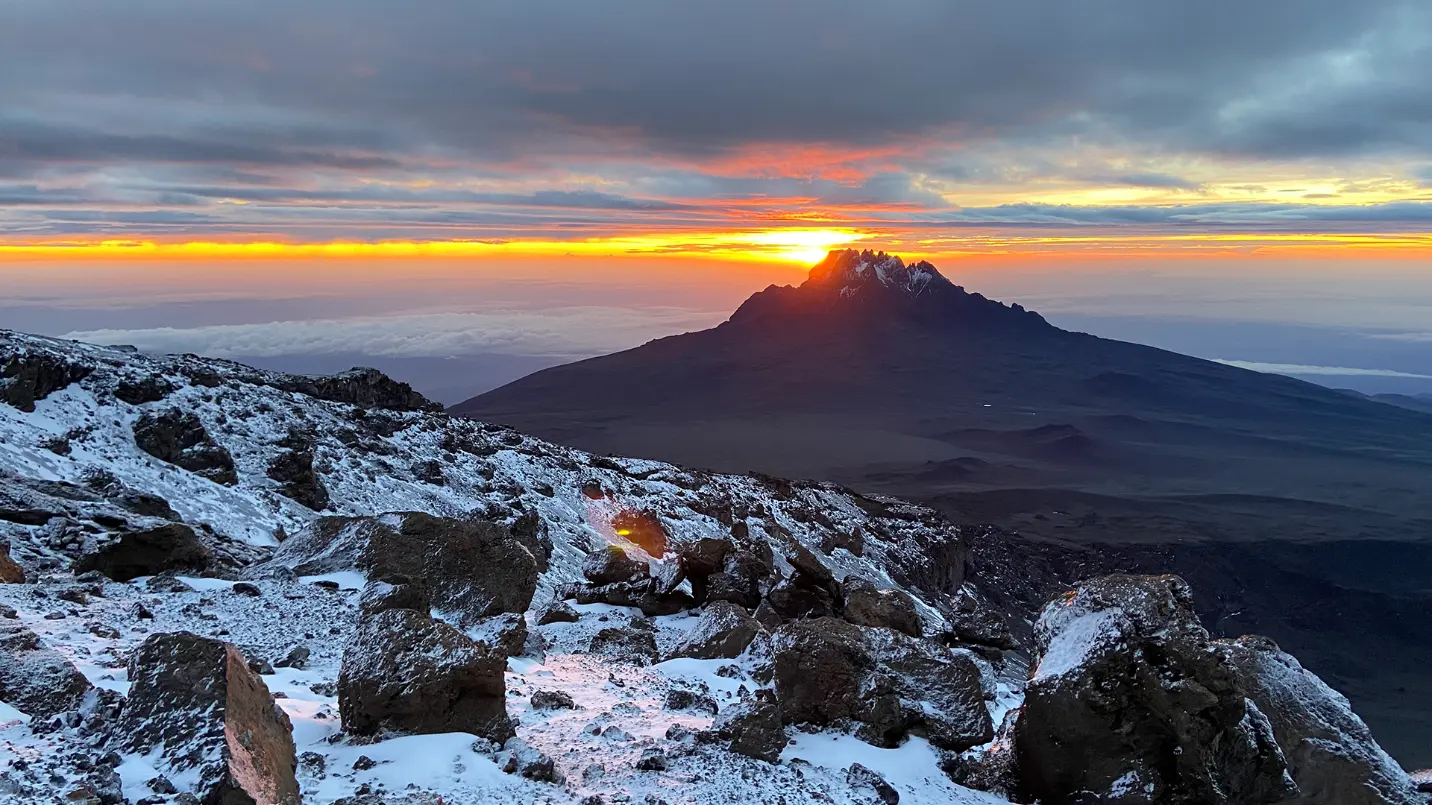
Start the midnight trek to the summit, reaching Uhuru Peak at sunrise. After celebrating, descend to Mweka Camp.
Day 8: Mweka Camp to Mweka Gate
Elevation: 3,080m to 1,630m
Distance: 10 km
Time: 3-4 hours
Terrain: Rainforest
A final descent through the rainforest to Mweka Gate, where you’ll receive your summit certificate.
Why Choose the Lemosho Route?
The Lemosho Route is considered one of the best paths to the summit of Mount Kilimanjaro due to its gradual acclimatization profile and scenic beauty. Here’s why it stands out:
Scenic Diversity: Traverse through lush rainforests, heath, moorland, and alpine deserts before reaching the icy summit.
High Success Rate: The route offers better acclimatization with longer itineraries, increasing your chances of a successful summit.
Less Crowded: Compared to other routes, Lemosho is less trafficked, offering a more secluded and tranquil trekking experience.
Preparation and Tips
Physical Fitness: Prepare with cardio exercises, strength training, and hiking.
Gear: Essential gear includes layered clothing, sturdy boots, trekking poles, and a good sleeping bag.
Acclimatization: Choose a longer itinerary for better acclimatization.
Hydration and Nutrition: Stay hydrated and eat energy-rich foods to maintain stamina.