
Here’s your ultimate guide to Lukwangule Plain, a lesser-known yet captivating destination in Tanzania:
Lukwangule Plain offers a unique blend of natural beauty, wildlife, and cultural experiences. Whether you’re interested in hiking, wildlife viewing, or simply enjoying the serene landscapes, this destination provides a rewarding experience in Tanzania’s Southern Highlands. Enjoy your visit!
For inquiries, custom tours, or assistance, please don’t hesitate to contact us. Our team is dedicated to helping you plan your dream adventure. Reach out today, and let’s turn your travel aspirations into unforgettable experiences WhatsApp +255754042154 or Email: info@tanzaniaadventures.co.tz
Tanzania Adventures
Lukwangule Plain is a scenic plateau located in the southern highlands of Tanzania, within the Ruinsori Mountains region. It's known for its expansive grasslands, diverse wildlife, and panoramic views of the surrounding landscape. This area is part of the larger Ruinsori ecosystem, known for its rich biodiversity and natural beauty.
Location: Lukwangule Plain is situated in the Mbeya Region, near the border of the Rungwe and Mbeya Districts.
Coordinates: Approximately 8.0590° S latitude and 33.6636° E longitude. Access:
By Road: The primary way to reach Lukwangule Plain is by road from Mbeya. It is about a 2 to 3-hour drive from Mbeya city. Roads may be rough, so a 4x4 vehicle is recommended.
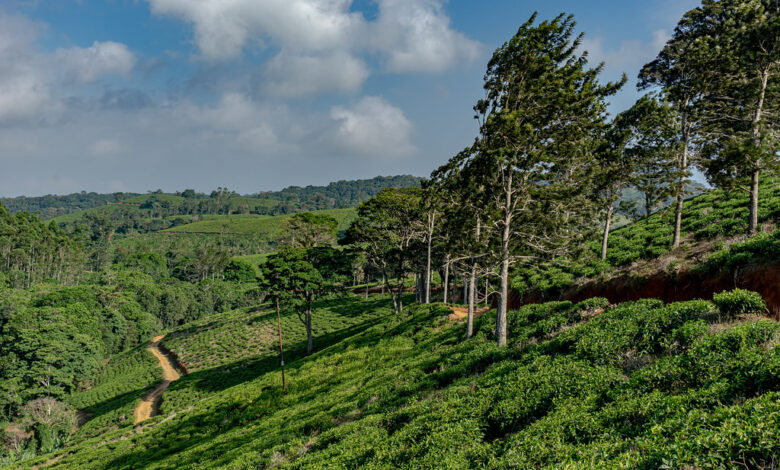
By Air: The nearest airport is Mbeya Airport. From the airport, you can arrange road transport to the plain.Scenic Views: Enjoy expansive views of the highland plateaus, rolling grasslands, and distant mountain ranges. The plain provides excellent opportunities for landscape photography.
Wildlife Viewing: Lukwangule Plain is home to various wildlife species, including antelopes, zebras, and a variety of bird species. It’s an ideal location for wildlife enthusiasts and photographers.
Hiking and Trekking: The plain and surrounding areas offer several hiking opportunities with routes varying in difficulty.
Enjoy the unique highland flora and fauna as you explore.
Cultural Experiences: Engage with local communities in nearby villages to learn about their traditional lifestyles, customs, and agricultural practices.
Dry Season (June to October): This period offers the best weather for exploring the plain, with clear skies and less rain. It's ideal for wildlife viewing and hiking.
Wet Season (November to May): The wet season brings lush greenery and vibrant landscapes. However, roads can be muddy and challenging, and some trails may be less accessible.
Camping: There are limited formal accommodations in the immediate area. Camping is a popular option, and you should bring your own gear or arrange it in advance.
Local Lodges: Basic lodges or guesthouses may be available in nearby towns or villages. For more comfortable options, consider staying in Mbeya and making day trips to the plain.
Mbeya City: Offers a range of hotels and lodges from budget to mid-range, providing a more comfortable base for your visit.
Permits: Check if you need any permits or park fees for visiting the plain. Local regulations might require permits for specific activities.
Guides: Hiring a local guide can enhance your experience, providing insights into the area’s wildlife, plants, and cultural heritage.
Pack Accordingly: Bring appropriate hiking gear, including sturdy shoes, rain gear, and warm clothing. Also, pack food, water, and a first aid kit.
Health Precautions: Ensure you have the necessary vaccinations and take malaria prophylaxis as a precaution for traveling in tropical areas.
Safety: Follow safety instructions from guides or park rangers. Be cautious when exploring and ensure your belongings are secure.
Local Etiquette: Respect local customs and traditions. Engaging with local communities respectfully will enhance your experience.
Ruinsori Mountains: Explore this nearby mountain range, known for its unique landscapes and diverse ecosystems.
Kitulo Plateau National Park: Known as the “Serengeti of Flowers,” this park features an extraordinary variety of orchids and other highland flora.
Mbeya City: Offers cultural sites, markets, and the opportunity to experience the regional cuisine and history.
Leave No Trace: Follow eco-friendly practices to minimize your impact on the environment. Avoid littering and respect wildlife habitats.
Support Conservation: Engage with and support local conservation efforts to protect the natural beauty and biodiversity of the region.
Swahili: The primary language spoken in the region. Basic Swahili phrases can be useful, though many guides and locals may also speak some English.