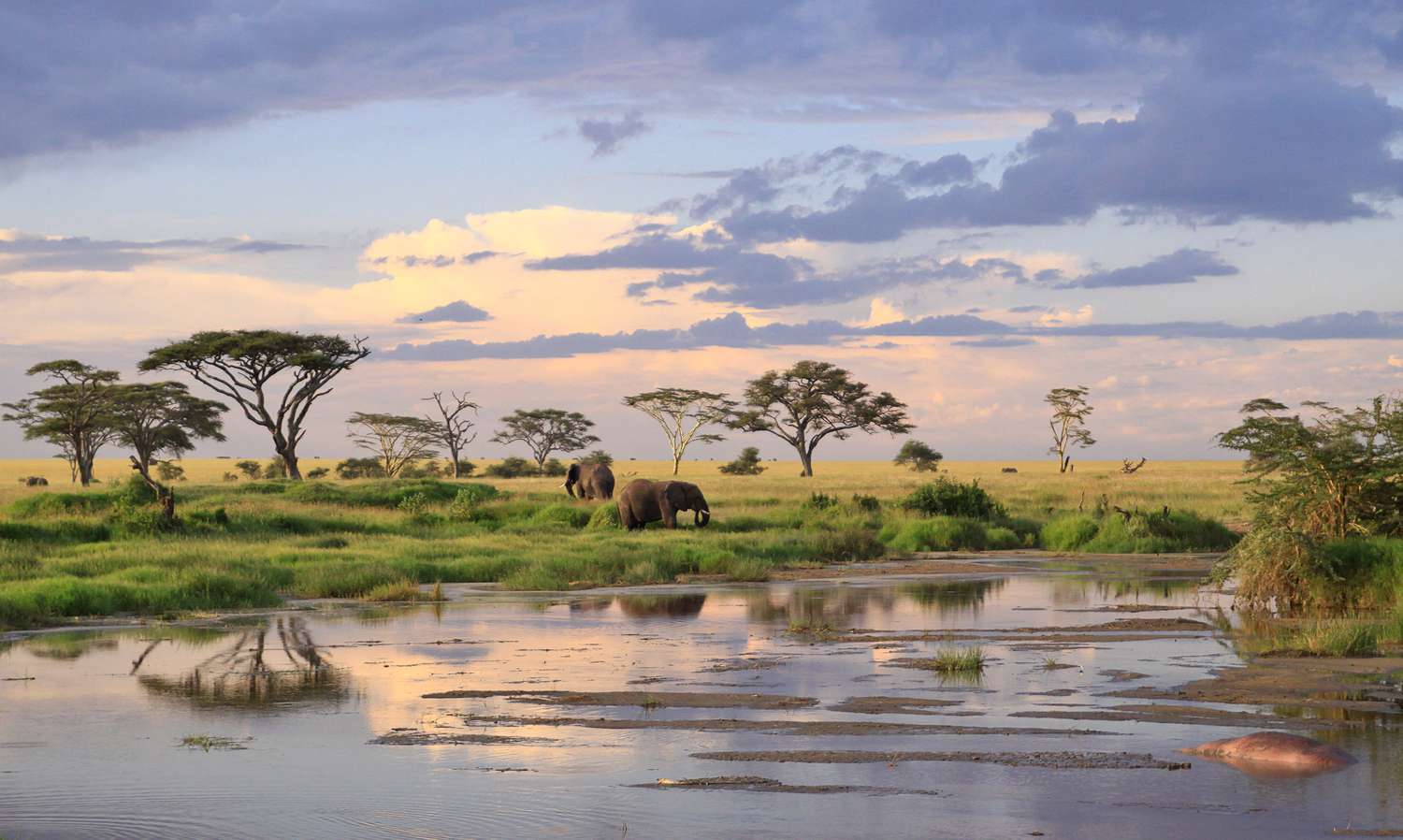
Tanzania Weather and Climate: What to Expect During Your Visit
Tanzania, located in East Africa, offers a diverse climate that varies significantly across different regions. Understanding the weather and climate will help you plan your trip effectively and make the most of your visit. Here’s an overview of what to expect throughout the year.
1. General Climate Overview
Tanzania’s climate can be broadly categorized into tropical along the coast and more temperate in the highlands:
- Coastal Areas: Coastal regions, including Dar es Salaam and Zanzibar, experience a tropical climate with hot, humid conditions year-round. Temperatures generally range from 24°C to 32°C (75°F to 90°F).
- Highlands: Areas like Arusha and the Ngorongoro Crater have a more temperate climate with cooler temperatures. Temperatures in the highlands range from 10°C to 25°C (50°F to 77°F).
- Central and Western Tanzania: These regions experience a semi-arid climate with varying temperatures and seasonal rainfall.
2. Seasons and Best Time to Visit
Tanzania generally has two main seasons: the rainy season and the dry season. Here’s a breakdown of each:
- Rainy Seasons:
- Long Rains: Occur from March to May, with the peak in April. Expect heavy rains and occasional flooding, especially in low-lying areas.
- Short Rains: Occur from November to December. The rains are usually lighter and shorter but can still affect travel plans.
- Dry Seasons:
- Cool Dry Season: From June to October. This is considered the best time for safaris, with cooler temperatures and less rain. Wildlife viewing is excellent as animals congregate around water sources.
- Hot Dry Season: From December to February. Temperatures can be high, particularly in the central and northern regions. It’s a good time for beach holidays and exploring the coast.
3. Regional Climate Variations
Different regions in Tanzania experience distinct weather patterns:
- Zanzibar and Coastal Areas: Typically hot and humid throughout the year with two rainy seasons. Ideal for beach holidays during the dry season.
- Serengeti and Northern Parks: Temperatures are moderate with distinct rainy and dry seasons. Dry season is best for game viewing.
- Mount Kilimanjaro: The mountain’s climate varies with altitude. Base areas are tropical, while higher elevations can experience freezing temperatures and snow. Prepare for extreme weather conditions if climbing.
- Ngorongoro Crater: Cooler temperatures and high rainfall can occur, particularly during the rainy seasons. The dry season offers the best wildlife viewing conditions.
4. Packing Tips Based on Weather
Proper packing will ensure you are comfortable during your trip:
- Clothing: Pack lightweight, breathable clothing for the coast and highlands, and warmer layers if you are visiting the highlands or climbing Mount Kilimanjaro. Include rain gear if traveling during the rainy season.
- Footwear: Comfortable walking shoes are essential for safaris and treks. Waterproof boots are recommended for rainy periods.
- Sunscreen and Insect Repellent: High UV levels necessitate sunscreen, and insect repellent will help protect against mosquito bites, particularly in malaria-prone areas.
5. Weather-Related Considerations
Be aware of how weather can impact your travel plans:
- Travel Disruptions: Heavy rains during the rainy season can cause travel delays, particularly in rural areas. Plan your itinerary accordingly and allow extra time for unexpected changes.
- Health Precautions: Extreme temperatures and humidity can affect your health. Stay hydrated, avoid prolonged exposure to the sun, and adjust your activity levels based on the weather conditions.
Conclusion
Understanding Tanzania’s weather and climate helps you prepare effectively for your trip. Whether you’re planning a safari, beach holiday, or mountain climb, being aware of seasonal changes and regional variations will enhance your travel experience and ensure you’re well-prepared for varying conditions.