Tanzania Local Customs: Understanding Cultural Etiquette and Practices
To fully appreciate and respect Tanzanian culture, it’s important to be aware of local customs and etiquette. Tanzania is a diverse country with a rich tapestry of ethnic groups, traditions, and social norms. Here’s what you need to know to interact respectfully and enhance your travel experience.
1. Greetings and Social Etiquette
Understanding how to greet and interact with locals can help you build rapport and show respect:
- Greetings: Greetings are an essential part of Tanzanian culture. A common greeting is a handshake, which can be extended with a friendly “Jambo” (Hello) or “Habari” (How are you?). In more formal or traditional settings, greetings may involve a series of questions about health and family.
- Respect for Elders: Elders are highly respected in Tanzanian society. It’s customary to greet them first and to show deference in conversations and interactions. Use polite language and gestures when speaking with older individuals.
- Addressing People: Use appropriate titles such as “Mzee” for older men and “Mama” for women. When addressing someone formally, use their title or role, like “Doctor” or “Professor,” if applicable.
2. Dress Code and Modesty
Appropriate dress is important in Tanzania, especially in rural areas and religious settings:
- Modesty: Dress modestly, particularly in rural areas and when visiting religious sites. For women, this generally means covering the shoulders and knees. Men should avoid wearing shorts in formal or traditional settings.
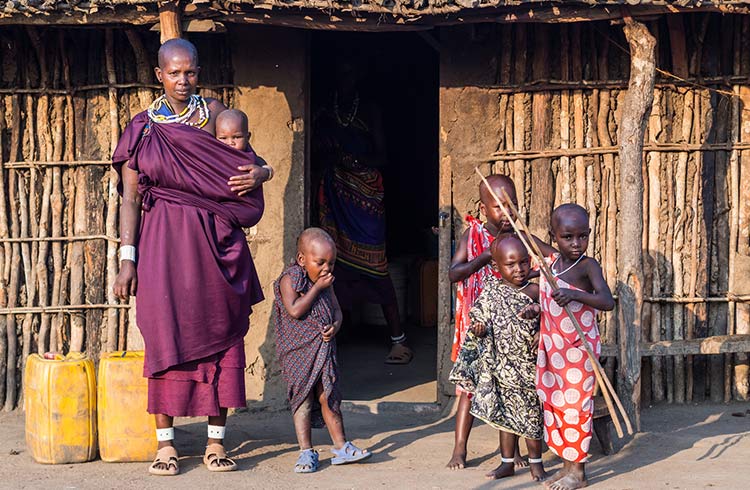
- Traditional Attire: In certain regions and during cultural events, you may see traditional clothing such as the kanga or kitenge. If invited to a traditional ceremony or event, dressing in local attire is a sign of respect and can enhance your experience.
- Beachwear: Beachwear is appropriate only at the beach or pool. When not on the beach, cover up with casual clothing to respect local customs.
3. Tipping and Payments
Understanding tipping practices and payment norms helps in managing interactions smoothly:
- Tipping: Tipping is customary in restaurants, hotels, and for service providers. A tip of 5-10% is generally appreciated for good service. In more informal settings, rounding up the bill or giving small change is also common.
- Negotiations: Bargaining is common in markets and with street vendors. Approach negotiations with a friendly attitude and be prepared for some haggling. In more formal settings like hotels and restaurants, prices are usually fixed.
4. Photography and Privacy
Respecting privacy and following local rules regarding photography is important:
- Asking Permission: Always ask for permission before taking photographs of people, especially in rural areas or during traditional ceremonies. Some communities may consider photography intrusive or disrespectful.
- Respect for Places: Be mindful of where you take photos. Avoid photographing sensitive locations such as government buildings, military sites, or religious ceremonies without permission.
5. Religion and Cultural Practices
Being aware of and respectful toward local religious practices and cultural norms enriches your visit:
- Religion: Tanzania is predominantly Christian and Muslim, with significant traditional beliefs. Respect religious practices, including prayer times and dress codes, especially in places of worship.
- Cultural Sensitivity: Tanzanian culture places high importance on respect and community. Participate in local traditions and ceremonies with an open mind and willingness to learn.
- Festivals and Ceremonies: If invited to local festivals or ceremonies, be respectful of customs and traditions. Participate respectfully and observe local practices closely.
6. General Behavior and Conduct
Understanding general behavior norms helps in interacting respectfully and avoiding misunderstandings:
- Politeness: Use polite language and gestures in all interactions. Tanzanians value kindness and respect, and maintaining a friendly demeanor goes a long way.
- Personal Space: Respect personal space, especially in rural areas where people may have different expectations regarding proximity.
- Handling Disputes: Approach any conflicts or disagreements calmly and respectfully. Tanzanians prefer resolving issues through discussion rather than confrontation.
Conclusion
Understanding and respecting local customs in Tanzania enhances your travel experience and fosters positive interactions with locals. By following these guidelines on greetings, dress code, tipping, photography, and general behavior, you’ll navigate cultural nuances gracefully and enjoy a richer, more immersive journey through Tanzania.