Tanzania Health Precautions: Stay Safe and Healthy During Your Trip
When traveling to Tanzania, taking health precautions is crucial to ensure a safe and enjoyable experience. From vaccinations to disease prevention and general health tips, here’s what you need to know to stay healthy while exploring this beautiful country.
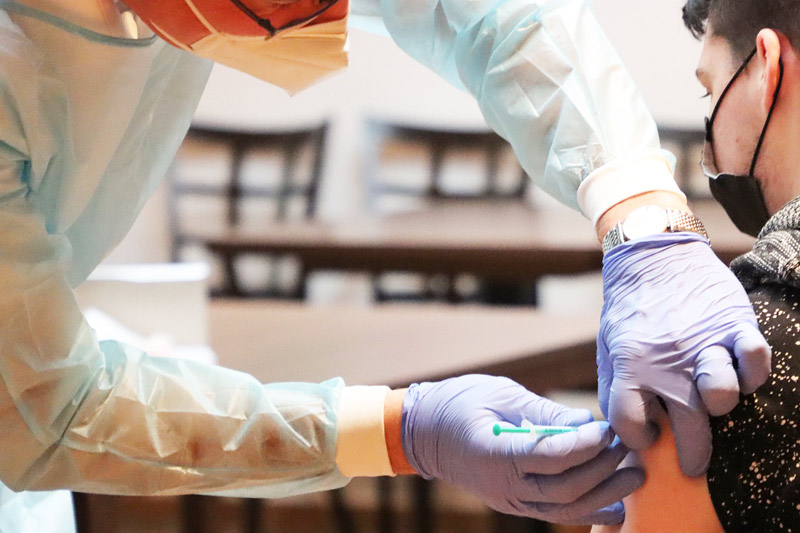
1. Recommended Vaccinations
Before traveling to Tanzania, ensure you are up-to-date on the following vaccinations:
- Yellow Fever: A vaccination against yellow fever is required for entry into Tanzania, especially if you are traveling from a country with a risk of yellow fever transmission. Keep your vaccination certificate with you, as it may be checked at the border.
- Hepatitis A: Hepatitis A vaccination is recommended, as the virus can be contracted through contaminated food and water.
- Hepatitis B: Hepatitis B vaccination is advised, particularly if you might come into contact with blood or bodily fluids, or if you plan to stay for an extended period.
- Typhoid: Typhoid vaccination is recommended due to the risk of typhoid fever, which is spread through contaminated food and water.
- Routine Vaccinations: Ensure you are up-to-date on routine vaccinations such as MMR (measles, mumps, rubella), diphtheria, tetanus, and polio.
2. Malaria Prevention
Malaria is a risk in many parts of Tanzania, particularly in rural areas and during the rainy season. Follow these precautions to prevent malaria:
- Anti-Malaria Medication: Consult your healthcare provider for a suitable anti-malaria medication and start taking it before your trip, as advised.
- Insect Protection: Use insect repellent with DEET, wear long-sleeved shirts and long pants, and sleep under a mosquito net if staying in areas where malaria is prevalent.
- Avoiding Mosquito Bites: Avoid being outdoors during peak mosquito activity times, usually early morning and late evening.
3. Safe Food and Water Practices
To avoid foodborne illnesses and ensure safe drinking water, follow these tips:
- Drink Bottled or Boiled Water: Stick to bottled or boiled water to avoid waterborne diseases. Avoid ice cubes, as they may be made from contaminated water.
- Eat Well-Cooked Food: Eat food that is thoroughly cooked and served hot. Avoid raw or undercooked meat and seafood, and be cautious with street food.
- Wash Hands: Regularly wash your hands with soap and water, especially before eating or handling food. Hand sanitizer can be a useful alternative when soap and water are not available.
4. General Health Tips
General health practices can help you stay well during your trip:
- Travel Insurance: Obtain comprehensive travel insurance that covers medical emergencies, trip cancellations, and lost belongings. Ensure it includes coverage for activities you plan to engage in.
- Emergency Services: Familiarize yourself with local emergency numbers and the location of nearby hospitals or clinics. Keep a list of these contacts handy.
- First Aid Kit: Pack a basic first aid kit with essentials like bandages, antiseptic, pain relievers, and any personal medications you may need.
5. Health Care Facilities
Understanding the healthcare facilities available in Tanzania will help you get the care you need:
- Major Cities: In major cities like Dar es Salaam and Arusha, you’ll find well-equipped hospitals and clinics. English is often spoken by medical staff in these areas.
- Rural Areas: Healthcare facilities may be limited in rural areas. If traveling to remote locations, ensure you have adequate medical supplies and know the nearest health facility.
- Medical Evacuation: In case of serious health issues, medical evacuation services may be necessary. Ensure your travel insurance covers medical evacuation to the nearest appropriate facility.
6. Dealing with Health Issues
If you experience health issues during your trip, follow these steps:
- Seek Medical Attention: If you experience symptoms like fever, severe headache, or vomiting, seek medical attention promptly, as these could be signs of malaria or other serious conditions.
- Stay Hydrated: Drink plenty of fluids to stay hydrated, especially if you have gastrointestinal issues.
- Rest and Recovery: Rest adequately and avoid strenuous activities if you feel unwell. Follow medical advice and complete any prescribed treatments.
Conclusion
Taking these health precautions will help you enjoy a safe and pleasant trip to Tanzania. By preparing in advance, practicing good hygiene, and being aware of health risks, you can focus on exploring the country’s stunning landscapes and vibrant culture.