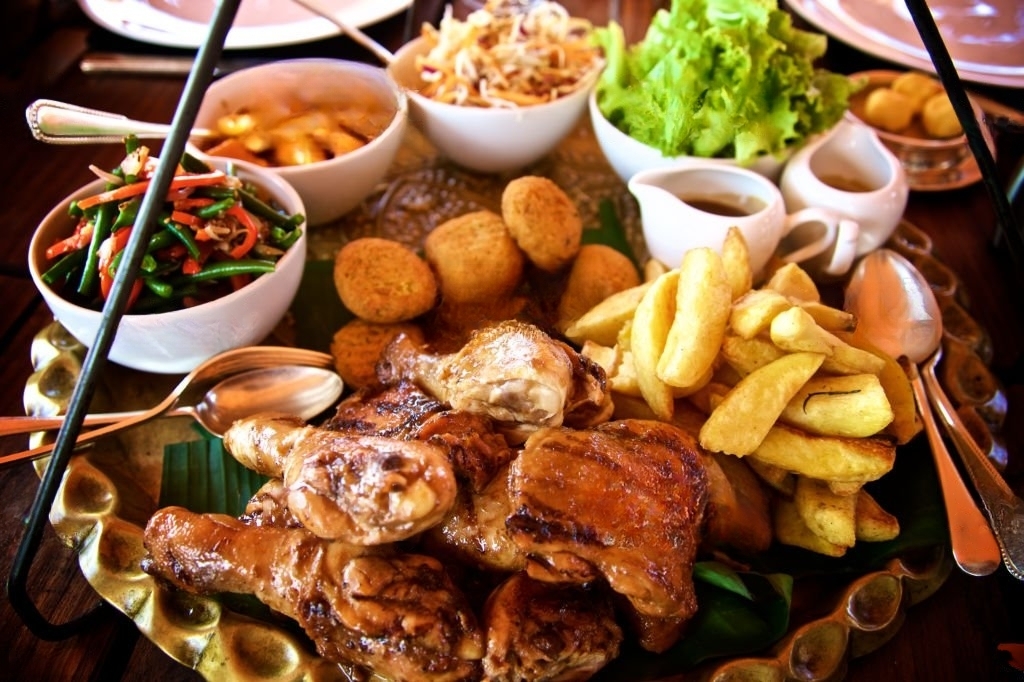
Tanzania Food and Drink: Savor the Flavors of East Africa
Discover the rich and diverse culinary landscape of Tanzania, where traditional flavors blend with regional ingredients to create a unique food experience. From street food to fine dining, Tanzanian cuisine offers something for every palate. Explore the must-try dishes, popular beverages, and the vibrant food culture of Tanzania.
Traditional Tanzanian Dishes
Tanzania’s cuisine is a delightful mix of indigenous and international influences. Here are some staple dishes you should try:
- Ugali: A staple food made from maize flour, ugali is a dense, dough-like dish that accompanies most Tanzanian meals. It’s typically served with meat, vegetables, or sauces.
- Nyama Choma: This popular dish features grilled meat, often beef or goat, seasoned with spices and served with a side of vegetables or spicy sauces. It’s a favorite at social gatherings and barbecues.
- Rice Dishes: Tanzanian rice dishes include pilau (spiced rice with meat or vegetables) and biryani (a flavorful rice dish with aromatic spices). Both are commonly enjoyed with meat, fish, or vegetables.
- Fish and Seafood: Coastal regions, especially Zanzibar, offer a variety of fresh fish and seafood dishes, including pweza wa nazi (octopus in coconut milk) and samaki wa kupaka (grilled fish with spicy sauce).
- Chapati: A type of flatbread influenced by Indian cuisine, chapati is often served alongside stews, curries, and vegetable dishes.
- Mandazi: A sweet, fried doughnut-like snack enjoyed as a treat or breakfast item. It’s lightly spiced and often eaten with tea.
- Samosas: These savory pastries are filled with spiced meat or vegetables and are a popular street food snack throughout Tanzania.
Popular Tanzanian Beverages
Complement your meals with these traditional and refreshing beverages:
- Chai: Tanzanian tea, or chai, is a staple beverage, often served with milk and sugar. It’s enjoyed throughout the day, sometimes accompanied by snacks like mandazi or biscuits.
- Juices: Fresh fruit juices are widely available, with options including mango, pineapple, and passion fruit. These are often enjoyed as a refreshing accompaniment to meals.
- Kilimanjaro Beer: A popular local beer brewed in Tanzania, named after Mount Kilimanjaro. It’s a light, refreshing beer that pairs well with Tanzanian cuisine.
- Local Wines: Tanzania produces a variety of local wines, mainly from grapes grown in the northern regions. These wines offer a unique taste of the country’s wine industry.
- Uji: A traditional porridge made from various grains, uji is often enjoyed as a breakfast or snack, sometimes flavored with milk or fruit.
Dining Experiences in Tanzania
Enjoy a range of dining experiences from street food to upscale restaurants:
- Street Food: Street vendors offer a variety of tasty and affordable options, including nyama choma, samosas, and chapati. It’s a great way to sample local flavors and experience Tanzanian food culture.
- Local Restaurants: Small eateries and local restaurants serve authentic Tanzanian dishes at reasonable prices. Look for places with high local patronage for the best experience.
- Fine Dining: Major cities like Dar es Salaam and Zanzibar offer upscale dining options with both local and international cuisine. Enjoy gourmet meals with stunning views and exceptional service.
- Markets: Visit local markets to experience Tanzanian food culture firsthand. Markets like Dar es Salaam’s Kariakoo Market offer fresh produce, spices, and ready-to-eat meals.
Food Culture and Etiquette
Understanding Tanzanian food culture and etiquette can enhance your dining experience:
- Shared Meals: Meals are often shared among family and friends. It’s common to see communal dishes placed in the center of the table.
- Eating with Hands: In traditional settings, it’s customary to eat with your hands, especially when consuming ugali and meat dishes. Use your right hand only and wash your hands before and after eating.
- Respect for Food: Tanzanians take pride in their food. Show appreciation for the meal and avoid wasting food as a sign of respect.
- Spices and Flavors: Tanzanian cuisine is known for its use of spices like turmeric, ginger, and garlic. Be prepared for flavorful and aromatic dishes.
Conclusion
Tanzanian cuisine offers a rich tapestry of flavors and experiences, from hearty traditional dishes to refreshing beverages. Whether you’re sampling street food or dining at upscale restaurants, Tanzanian food and drink will provide a memorable taste of East Africa. Embrace the local culinary culture and enjoy the diverse flavors that Tanzania has to offer.