
Embarking on a safari in Southern Tanzania offers a unique and less crowded alternative to the popular Northern Circuit. This region is a treasure trove of diverse landscapes, abundant wildlife, and rich cultural heritage. Whether you are a seasoned safari-goer or a first-time explorer, Southern Tanzania promises an unforgettable adventure.
we'll provide an in-depth overview of the key attractions, best times to visit, and essential tips for making the most of your Southern Tanzania safari tour. Southern Tanzania is home to some of the most pristine and less-visited national parks and game reserves in Africa.
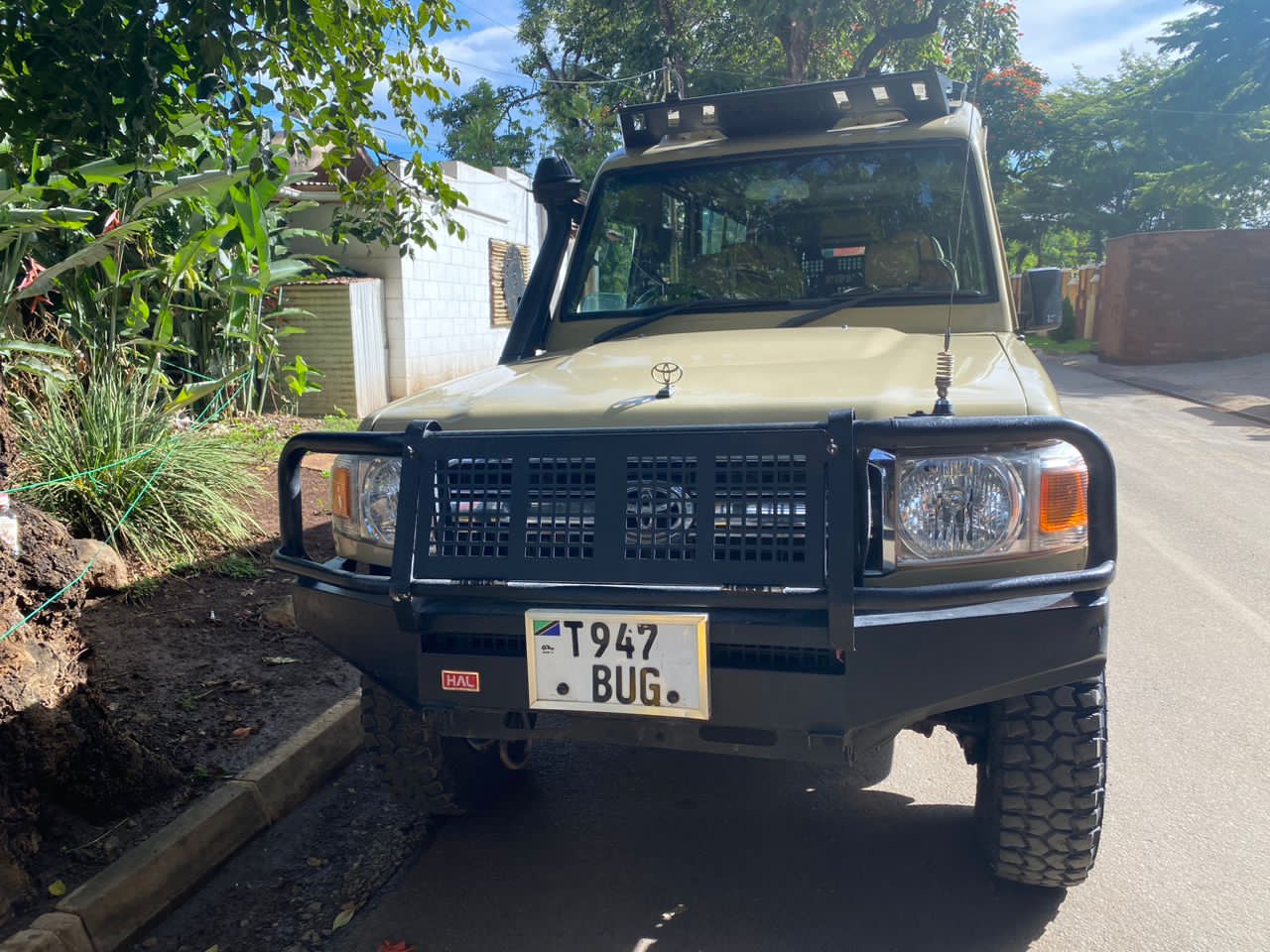
Tanzania Adventures
The region's main highlights include:
Selous Game Reserve, one of the largest faunal reserves in the world, spans over 50,000 square kilometers. This UNESCO World Heritage Site is renowned for its diverse ecosystems, which include savannas, wetlands, and dense forests. Visitors can experience guided walking safaris, boat safaris on the Rufiji River, and classic game drives. The reserve is teeming with wildlife such as elephants, hippos, crocodiles, and a wide variety of bird species.
Ruaha National Park is Tanzania's largest national park, covering an area of over 20,000 square kilometers. Known for its rugged landscapes and high concentration of predators, Ruaha offers an authentic and remote safari experience. The park is famous for its large populations of lions, leopards, cheetahs, and the endangered African wild dog. Additionally, Ruaha is a birdwatcher's paradise with more than 570 bird species recorded.
Often referred to as a smaller version of the Serengeti, Mikumi National Park is located near Dar es Salaam, making it an ideal destination for shorter safari trips. The park's Mkata Floodplain is reminiscent of the Serengeti's endless plains and is home to a variety of wildlife, including giraffes, zebras, wildebeests, and elephants. Mikumi also offers an excellent opportunity to see hippos and crocodiles in its numerous waterholes.
For those looking to combine wildlife viewing with hiking, Udzungwa Mountains National Park is a perfect choice. Known as the "Galapagos of Africa" due to its high levels of endemism, this park boasts lush rainforests, scenic waterfalls, and a variety of primate species. Hiking trails range from short walks to multi-day treks, offering breathtaking views and the chance to encounter rare and endemic species such as the Udzungwa red colobus monkey.
Southern Tanzania's climate is characterized by two distinct seasons: the dry season (June to October) and the wet season (November to May). The dry season is generally the best time for wildlife viewing as animals congregate around water sources, making them easier to spot. The weather is also more predictable and pleasant for outdoor activities. However, the wet season brings lush landscapes, fewer tourists, and excellent birdwatching opportunities.
Book with a Reputable Tour Operator: Choose a well-established safari company with knowledgeable guides to ensure a safe and informative experience.
Pack Appropriately: Bring lightweight, breathable clothing in neutral colors, a wide-brimmed hat, sunscreen, insect repellent, and a good pair of binoculars.
Stay Hydrated and Healthy: Drink plenty of water, follow your guide's advice regarding safety, and take necessary health precautions, such as malaria prophylaxis.
Respect Wildlife and Environment: Observe animals from a safe distance, avoid making loud noises, and follow park regulations to minimize your impact on the environment.
Embrace the Experience: Safari tours can be unpredictable, so stay flexible and open-minded. Every safari is unique, offering different sights and experiences.