
Prepare for the adventure of a lifetime with our comprehensive guide to expert tips for a Southern Tanzania safari. From the best times to visit and top destinations to packing essentials and wildlife viewing etiquette, this article covers everything you need.
Embarking on a safari in Southern Tanzania promises an extraordinary journey through some of Africa's most pristine wilderness areas. Whether you're a seasoned safari-goer or a first-time adventurer, these expert tips will help you make the most of your experience.
Tanzania Adventures
Dry Season (June to October): This is the prime time for wildlife viewing as animals gather around water sources. The weather is generally pleasant, and the bush is less dense, making it easier to spot wildlife.
Green Season (November to May): While the landscape is lush and beautiful, wildlife can be more dispersed due to the abundance of water. However, this is the best time for birdwatching and witnessing newborn animals.
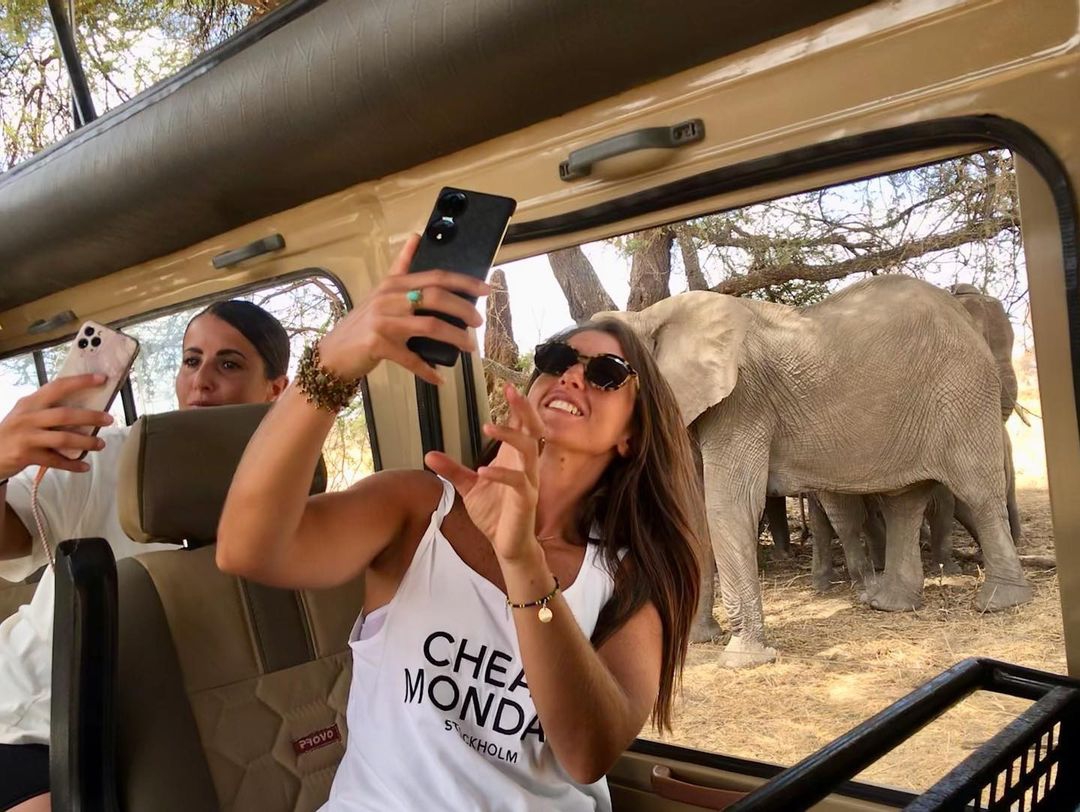
Ruaha National Park: Known for its large elephant population and predators. Ideal for those seeking a remote and rugged safari experience.
Selous Game Reserve: Offers diverse activities such as boat safaris and walking safaris, along with traditional game drives. Perfect for those wanting a varied safari experience.
Mikumi National Park: Easier to access and great for shorter safaris. Offers classic savannah landscapes and a good variety of wildlife.
Book Early: Accommodations in Southern Tanzania can be limited, especially during peak season. Booking well in advance ensures you get the best options.
Consider Different Types: From luxury lodges to rustic tented camps, choose based on your comfort preferences and desired level of immersion in nature.
Clothing: Pack lightweight, neutral-colored clothing to blend in with the environment. Include layers for varying temperatures, a hat, sunglasses, and sturdy walking shoes.
Gear: Bring binoculars for wildlife spotting, a good camera with extra batteries and memory cards, and a flashlight for nighttime use.
Health Supplies: Pack a basic first-aid kit, insect repellent, sunscreen, and any personal medications. Don’t forget anti-malarial tablets and other vaccinations as recommended by your healthcare provider.
Game Drives: Early morning and late afternoon drives are the best times for wildlife activity. Listen to your guide for the best spotting opportunities.
Walking Safaris: These offer a more intimate experience with nature. Follow all safety instructions from your guide.
Boat Safaris: Unique to Selous Game Reserve, these safaris provide a different perspective and are great for spotting aquatic wildlife and birds.
Respect the Animals: Keep a safe distance, avoid loud noises, and never attempt to feed or touch the wildlife.
Follow Guide Instructions: Your guide knows the area and animal behavior best. Always follow their directions to ensure safety and the best experience.
Be Respectful: When visiting local communities, be respectful of their customs and traditions. Ask for permission before taking photos of people.
Engage and Learn: Take the opportunity to learn about local cultures and ways of life. It enriches your experience and supports the communities.
Stay Hydrated: The African sun can be intense. Drink plenty of water throughout the day.
Insect Protection: Wear long sleeves and pants in the evening, use insect repellent, and sleep under mosquito nets where provided.
Emergency Preparedness: Familiarize yourself with the location of the nearest medical facilities and keep emergency contacts handy.