Climbing Mount Kilimanjaro is not merely a physical endeavor; it's a test of resilience, determination, and the human spirit. As you stand atop Uhuru Peak, gazing at the vast African plains below, you'll realize that the journey to the summit is as transformative as the destination itself. So, lace up your boots, heed the call of adventure, and embark on the journey of a lifetime to conquer Mount Kilimanjaro.
Embarking on the journey to climb Mount Kilimanjaro is a remarkable feat that promises unparalleled adventure and breathtaking views. Nestled in Tanzania, Africa, Mount Kilimanjaro stands majestically as the tallest peak on the continent, beckoning adventurers from around the globe to conquer its summit. At 19,341 feet, reaching the summit of Kilimanjaro is not just about physical endurance; it's a testament to human spirit and determination.
Tanzania Adventures
Choosing the right route is crucial to the success of your Kilimanjaro expedition. Each route offers a unique experience, varying in duration, difficulty, and scenery. The Marangu Route, also known as the "Coca-Cola Route," is popular for its relatively gentle slopes and comfortable huts. On the other hand, the Machame Route presents a more challenging but scenic trek through diverse landscapes.
Preparing your body for the demands of high-altitude trekking is paramount. Engage in cardiovascular exercises, such as hiking, running, or cycling, to improve your endurance. Incorporate strength training to build muscle strength, particularly in your legs and core. Additionally, simulate high-altitude conditions by training at elevations or using altitude training equipment.
Packing the right gear is essential for a successful climb. Your clothing should include moisture-wicking base layers, insulating mid-layers, waterproof outer layers, and sturdy hiking boots. Don't forget to pack essential equipment such as a quality backpack, sleeping bag, trekking poles, and a headlamp. High-energy snacks and hydration systems are also vital for maintaining energy levels during the trek.
Altitude sickness is a common concern when climbing Mount Kilimanjaro due to the rapid ascent to high altitudes. Acclimatization is key to minimizing the risk of altitude-related illnesses. Opt for routes with longer itineraries that allow for gradual altitude gain and built-in rest days. Stay hydrated, maintain a steady pace, and listen to your body's signals to prevent altitude sickness symptoms.
Throughout your climb, you'll encounter a network of campsites offering basic accommodations ranging from tents to mountain huts. Embrace the camaraderie of fellow climbers as you share stories and experiences around campfires. While the accommodations may be rustic, the sense of community and shared purpose create unforgettable memories.
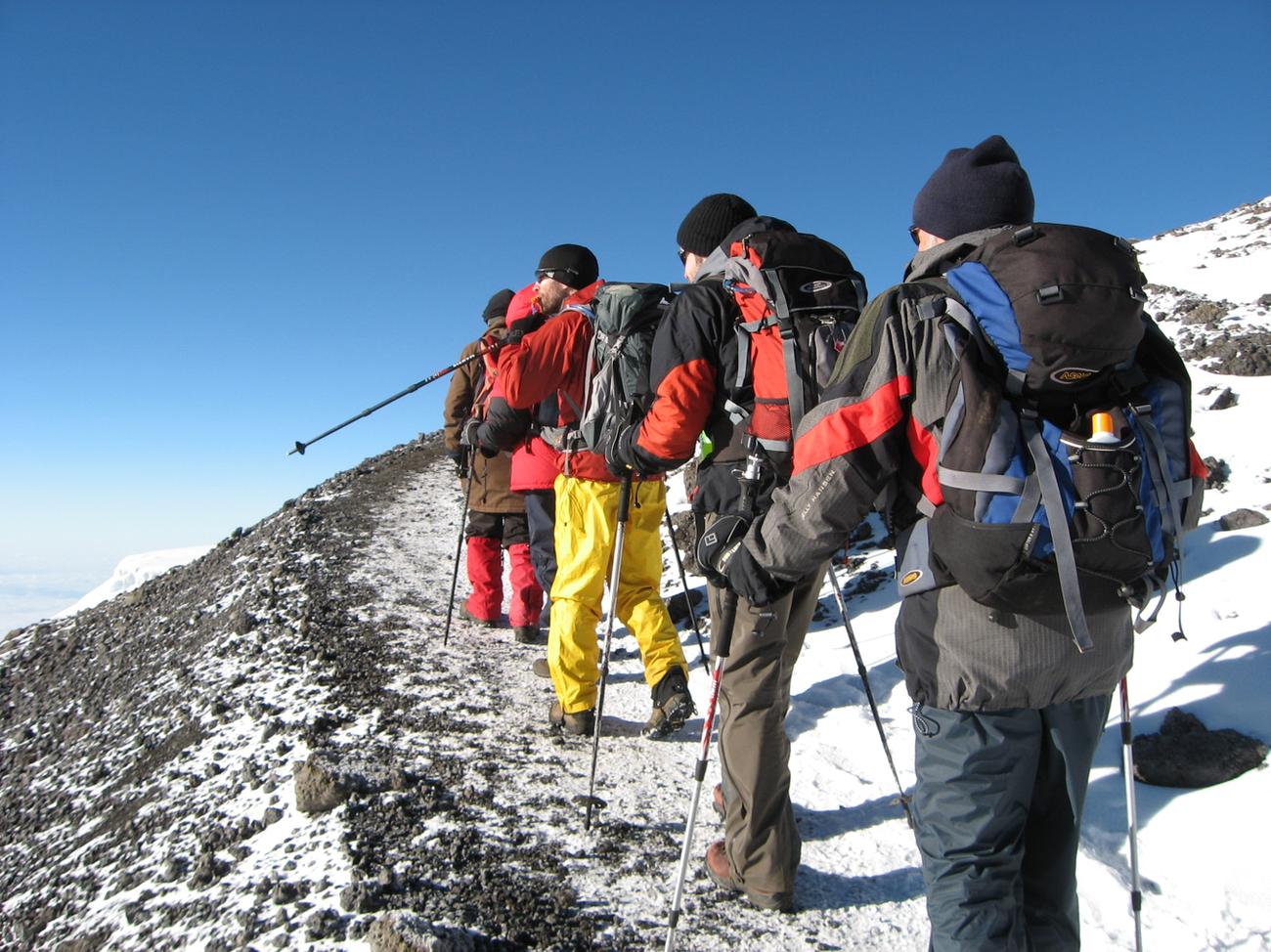
Summit night is the culmination of your Kilimanjaro journey, where you'll embark on the final push to Uhuru Peak, the highest point on Mount Kilimanjaro. The ascent typically begins in the early hours of the morning, navigating steep and icy terrain illuminated by headlamps. Despite the physical and mental challenges, the breathtaking sunrise and sense of accomplishment upon reaching the summit make every step worthwhile.