Tour Price Range Per Person: (On request)
Mount Kilimanjaro is one of the world’s most iconic mountains, offering a challenging yet rewarding adventure. This essential guide provides a comprehensive overview of what you need to know for a successful climb.
For inquiries, custom tours, or assistance, please don’t hesitate to contact us. Our team is dedicated to helping you plan your dream adventure. Reach out today, and let’s turn your travel aspirations into unforgettable experiences WhatsApp +255754042154 or Email: info@tanzaniaadventures.co.tz.
Popular Routes:
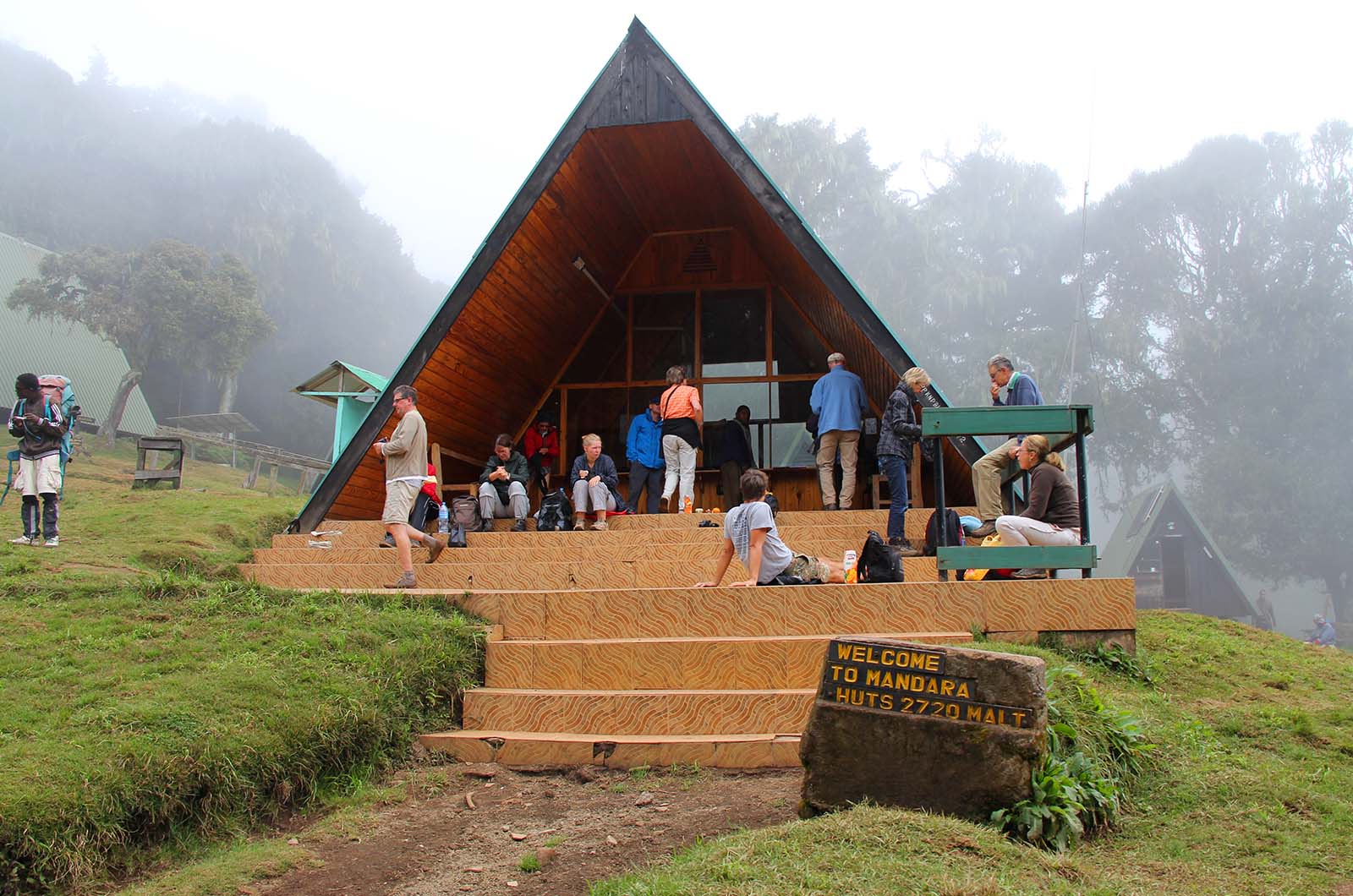
Marangu Route ("Coca-Cola" Route)
Duration: 5-6 days
Features: Hut accommodations, easiest route, less scenic.
Ideal For: Those preferring more comfort and a shorter trek.
Machame Route ("Whiskey" Route)
Duration: 6-7 days
Features: Scenic, varied terrain, camping.
Ideal For: Adventurers seeking diverse landscapes and good acclimatization.
Lemosho Route
Duration: 7-8 days
Features: Scenic, less crowded, good acclimatization.
Ideal For: Those wanting a more gradual ascent with fewer crowds.
Rongai Route
Duration: 6-7 days
Features: Starts on the north side, less crowded, dry climate.
Ideal For: A more remote experience with a different perspective.
Northern Circuit Route
Duration: 9-10 days
Features: Longest route, best acclimatization, panoramic views.
Ideal For: Those seeking a quieter and more comprehensive experience.
Example: 7-Day Lemosho Route
Day 1: Arrival at Kilimanjaro International Airport, transfer to Londorossi Gate for registration. Overnight at a hotel or lodge.
Day 2: Londorossi Gate to Mti Mkubwa Camp (2,750 m). 3-4 hours of trekking.
Day 3: Mti Mkubwa Camp to Shira 1 Camp (3,500 m). 5-7 hours of trekking.
Day 4: Shira 1 Camp to Shira 2 Camp (3,900 m). 3-4 hours of trekking.
Day 5: Shira 2 Camp to Barranco Camp (3,950 m). 6-8 hours of trekking.
Day 6: Barranco Camp to Karanga Camp (4,000 m). 4-5 hours of trekking.
Day 7: Karanga Camp to Barafu Camp (4,600 m). 4-6 hours of trekking.
Day 8: Barafu Camp to Uhuru Peak (5,895 m), then descend to Mweka Camp (3,100 m). 12-15 hours of trekking.Day 9: Mweka Camp to Mweka Gate (1,800 m). 3-4 hours of trekking. Transfer to the airport or your next destination.
The Cost Ranges (2024/2025):
Budget Option: $1,900 - $3,500
Basic services, shared accommodations, standard meals.
Mid-Range Option: $3,500 - $5,000
Enhanced services, better quality accommodations and food.
Luxury Option: $5,000 - $7,000+
Premium services, high-end accommodations, gourmet meals.
Breakdown:
Park Fees: $700 - $800 (includes entry, camping, and rescue fees).
Guide and Porter Fees: $1,200 - $2,000.
Accommodation and Meals: Included.
Additional Costs: Tips (approx. $200 - $300), personal expenses, gear.
Essential Gear:
Clothing:
Moisture-wicking base layers
Insulating layers (fleece or down jacket)
Waterproof and windproof jacket
Hat and gloves
Warm and breathable socks
Sun hat
Footwear:
Sturdy, waterproof hiking boots with good ankle support.
Gear:
Sleeping bag (rated for cold temperatures)
Trekking poles
Headlamp with extra batteries
Sunglasses with UV protection
Other Essentials:
Sunscreen and lip balm with SPF
Personal hygiene items
First aid kit
Hydration system or water bottles
Acclimatization: Follow your guide’s recommendations and adhere to the climb schedule to prevent altitude
sickness.
Hydration: Drink plenty of water (at least 3-4 liters per day).
Travel Insurance: Ensure it covers high-altitude trekking.
Physical Preparation: Engage in cardiovascular and strength training before the climb.
Follow the Itinerary: Stick to the planned ascent and acclimatization schedule.
Listen to Your Body: Report any symptoms of altitude sickness immediately.
Enjoy the Experience: Take in the incredible scenery and pace yourself to enjoy the journey.