Understanding the ever-changing weather patterns of Mount Kilimanjaro is essential for climbers planning a successful ascent. This comprehensive article explores the intricacies of Kilimanjaro's weather, including seasonal variations, temperature fluctuations, precipitation levels, and wind patterns. By delving into the nuances of the Kilimanjaro weather forecast, climbers can make informed decisions, pack appropriate gear, and adapt their trekking strategies to maximize safety and comfort on Africa's tallest peak.
The weather on Mount Kilimanjaro is as dynamic as the landscape itself, with conditions ranging from sweltering heat to freezing cold within a single day. Climbers must be well-prepared to face the challenges posed by Kilimanjaro's ever-changing weather, including sudden temperature drops, fierce winds, and unpredictable precipitation. This article serves as a comprehensive guide to the Kilimanjaro weather forecast, offering insights into seasonal trends, climatic influences, and strategies for navigating the mountain's atmospheric whims with confidence and caution.
Tanzania Adventures
Here, we delve into the intricacies of the Kilimanjaro weather forecast, offering insights into seasonal variations, temperature fluctuations, precipitation levels, and wind patterns to help climbers plan a safe and successful ascent.
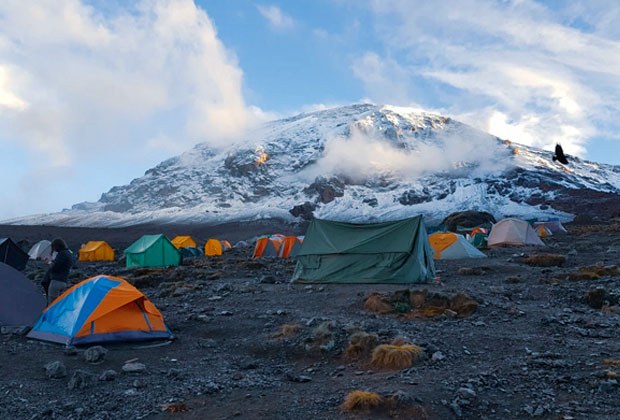
Mount Kilimanjaro experiences two distinct climatic seasons: the dry season and the wet season. The dry season typically occurs from June to October and January to February, offering clear skies, minimal precipitation, and relatively stable weather conditions. This period is considered the optimal time for climbing Kilimanjaro, as climbers can enjoy favorable trekking conditions and uninterrupted views of the surrounding landscape. In contrast, the wet season, which occurs from March to May and November to December, brings increased rainfall, cloud cover, and humidity, posing greater challenges for climbers and reducing visibility on the mountain.
Temperature fluctuations are a hallmark of Kilimanjaro's weather, with temperatures varying widely depending on altitude and time of day. At lower elevations, temperatures can be warm and balmy, while at higher altitudes, temperatures can plummet below freezing, especially at night. Climbers should be prepared for drastic temperature changes and dress in layers to regulate body temperature and stay comfortable throughout the trek. It's essential to pack appropriate cold-weather clothing, including insulated jackets, thermal layers, gloves, and hats, to combat the chill of Kilimanjaro's high-altitude environment.
Precipitation levels on Mount Kilimanjaro vary depending on the season and altitude, with higher elevations receiving more moisture than lower elevations. During the dry season, precipitation is minimal, and climbers can expect clear skies and sunny weather for most of the trek. However, brief afternoon showers or snow flurries are still possible, particularly at higher altitudes. In contrast, the wet season brings heavier rainfall and increased cloud cover, which can obscure visibility and create slippery, muddy trail conditions. Climbers should be prepared for wet weather and bring waterproof clothing, footwear, and gear to protect against rain and moisture.
Wind patterns on Mount Kilimanjaro can vary depending on the time of year and prevailing weather systems. During the dry season, winds are generally light to moderate, with occasional gusts at higher elevations. However, during the wet season, strong winds may accompany storm systems, particularly on the upper slopes of the mountain. Climbers should be cautious of windy conditions, especially when traversing exposed sections of the trek, and secure their belongings to prevent them from being blown away.
Monitoring the Kilimanjaro weather forecast is essential for climbers planning an ascent, as it provides valuable insights into current and upcoming weather conditions on the mountain. Climbers should check the forecast regularly in the days leading up to their trek and be prepared to adjust their plans accordingly based on changing weather patterns. It's also advisable to consult with experienced guides and tour operators who can offer local insights and recommendations based on their knowledge of Kilimanjaro's weather patterns and microclimates.