Embarking on a Kilimanjaro trek with children can be a rewarding and unforgettable experience, but it requires careful planning and preparation. This article offers practical tips and advice for families considering a Kilimanjaro expedition with kids, covering essential aspects such as itinerary selection, altitude considerations, safety measures, and overall trip planning. From choosing the right route to ensuring the comfort and well-being of young adventurers, discover how to make the most of this extraordinary family adventure.
Trekking Mount Kilimanjaro is a bucket-list adventure for many, and for families with children, it can be an incredible bonding experience filled with awe and discovery. However, climbing Kilimanjaro with kids requires special considerations to ensure their safety, comfort, and enjoyment throughout the journey. This article provides valuable tips and insights for families planning a Kilimanjaro trek with children, offering guidance on preparation, altitude adaptation, route selection, and other essential factors to make the experience memorable and rewarding for the whole family.
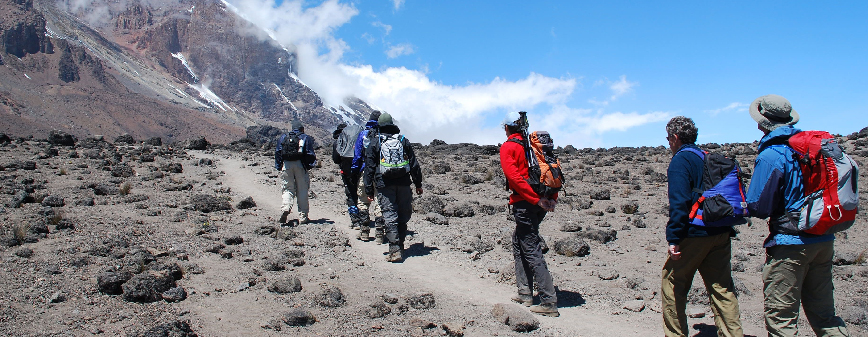
Tanzania Adventures
Proper preparation and planning are essential when trekking Kilimanjaro with kids. Consider the following tips:
Choose the Right Route: Select a family-friendly route with gradual ascents, moderate difficulty, and scenic attractions suitable for children, such as the Marangu or Rongai routes.
Consult with Guides: Seek advice from experienced guides or tour operators familiar with family treks on Kilimanjaro to customize the itinerary and ensure safety.
Gradual Acclimatization: Opt for a longer itinerary to allow for more gradual acclimatization and minimize the risk of altitude sickness for both children and adults.
Pack Wisely: Pack essential items such as comfortable clothing, sturdy footwear, sunscreen, hats, snacks, and entertainment options to keep children engaged during downtime.
Altitude poses unique challenges for young climbers. Take these precautions to ensure a safe ascent:
Monitor Symptoms: Keep a close eye on children for signs of altitude sickness, such as headaches, nausea, dizziness, or fatigue, and descend if symptoms worsen.
Stay Hydrated: Encourage children to drink plenty of water to stay hydrated and mitigate altitude-related symptoms.
Follow Acclimatization Schedule: Stick to the recommended acclimatization schedule, allowing ample time for rest and adaptation at higher altitudes.
Safety is paramount when trekking Kilimanjaro with kids. Implement these safety measures for a secure and worry-free journey:
Stay Together: Maintain close supervision of children at all times, especially during hikes and rest breaks, to prevent accidents or wandering off.
Follow Guide Instructions: Adhere to the guidance of experienced guides and porters, who can provide assistance and support during the trek.
Carry Essentials: Pack a first aid kit, emergency supplies, communication devices, and necessary medications for potential emergencies.
Make the Kilimanjaro experience enjoyable and memorable for children with these tips:
Educational Opportunities: Take advantage of the educational aspects of the trek to teach children about nature, geography, and local culture.
Encourage Participation: Involve children in the trekking experience by assigning age-appropriate tasks, such as carrying their daypack, spotting wildlife, or journaling about their adventures.
Celebrate Milestones: Celebrate achievements and milestones along the trek, such as reaching a new campsite or summiting a peak, to boost morale and motivation.