Embarking on a Kilimanjaro trek requires an understanding of the diverse trail conditions that climbers will encounter along the way. This article serves as a comprehensive guide to Kilimanjaro's trail conditions, providing insights into terrain types, elevation gains, climate variations, and seasonal considerations. Whether you're planning your ascent via the Machame Route, Marangu Route, or another trail, this guide offers valuable information to help you prepare for the challenges and rewards of hiking Africa's tallest peak.
Traversing the trails of Mount Kilimanjaro demands a thorough understanding of the ever-changing terrain and weather conditions. This guide illuminates the diverse trail conditions climbers will encounter on their Kilimanjaro ascent, offering insights into the challenges and opportunities presented by each route. From rocky paths and steep ascents to alpine deserts and glacial landscapes, Kilimanjaro's trails promise a journey of adventure and discovery for those who dare to explore them.
Tanzania Adventures
Prepare for your Kilimanjaro adventure with our guide to trail conditions:
Terrain: The Machame Route features a variety of terrain, including forested slopes, moorland, alpine desert, and rocky ridges. Climbers navigate steep ascents and descents, uneven trails, and rocky sections, requiring good balance and sturdy footwear.
Elevation Gain: The Machame Route offers gradual acclimatization with its longer duration and varying altitudes. Climbers ascend from around 1,800 meters (5,900 feet) to the summit at 5,895 meters (19,341 feet), experiencing significant elevation gain over the course of the trek.
Climate: The Machame Route experiences a range of climates, from humid rainforests to arid alpine zones. Weather conditions can vary dramatically, with rain, fog, wind, and cold temperatures common at higher elevations.
Terrain: The Marangu Route follows a well-defined path through lush rainforests, moorlands, and rocky slopes. While the trail is less steep than other routes, it can be slippery and muddy in wet conditions, requiring caution and sturdy footwear.
Elevation Gain: The Marangu Route offers a more gradual ascent compared to other routes, with climbers ascending from around 1,860 meters (6,100 feet) to the summit. The route's shorter duration and lower elevation gain may pose challenges for acclimatization.
Climate: The Marangu Route experiences milder temperatures and lower precipitation compared to other routes, with a greater likelihood of clear skies and dry conditions. However, climbers should still be prepared for sudden weather changes and cold temperatures at higher elevations.
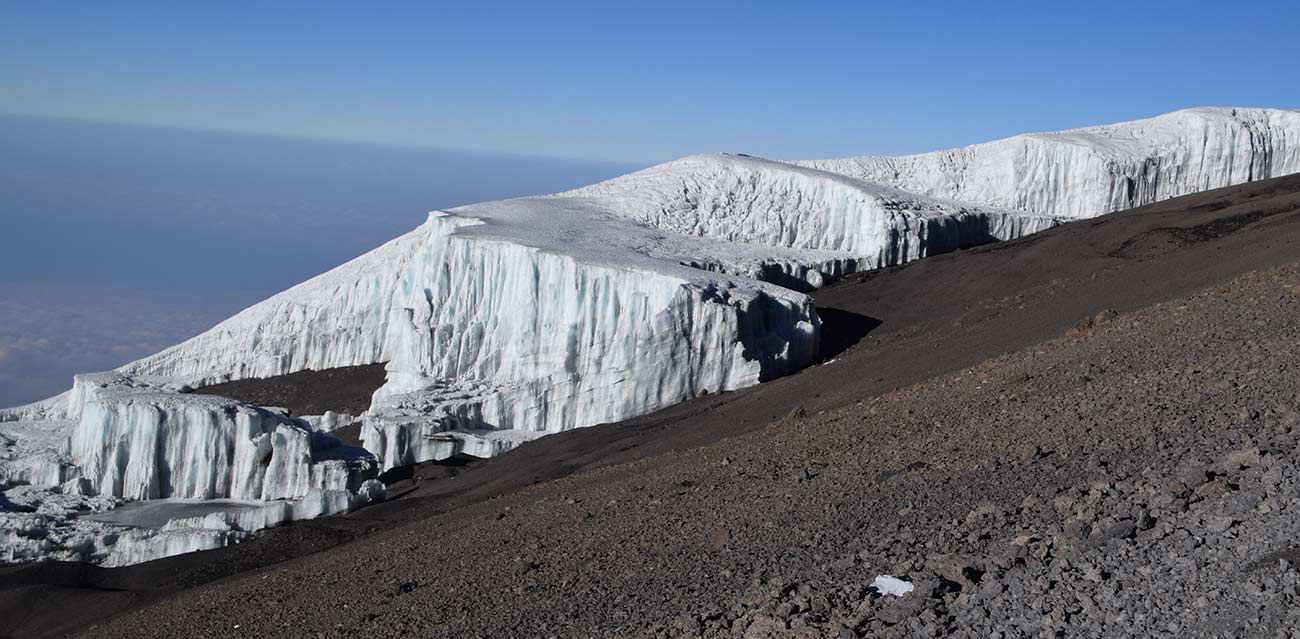
Terrain: The Lemosho Route traverses diverse landscapes, including lush rainforests, heath and moorland, alpine desert, and glaciated slopes. Climbers encounter varied terrain, from muddy trails and rocky paths to snow and ice-covered terrain near the summit.
Elevation Gain: The Lemosho Route offers gradual acclimatization with its longer duration and more gentle ascent profile. Climbers ascend from around 2,360 meters (7,740 feet) to the summit, allowing for better adaptation to high altitude.
Climate: The Lemosho Route experiences a range of climates, with temperatures varying from hot and humid in the rainforest to cold and windy at higher elevations. Weather conditions can be unpredictable, with rain, snow, and wind common at higher altitudes.
Terrain: The Rongai Route follows a less-traveled path through remote wilderness areas, offering solitude and serenity amidst stunning landscapes. Climbers traverse a mix of terrain, including forested slopes, open moorland, and rocky ridges, with fewer steep ascents and descents compared to other routes.
Elevation Gain: The Rongai Route provides a gradual ascent profile, with climbers ascending from around 1,950 meters (6,400 feet) to the summit. The route's longer duration and gentler gradients allow for better acclimatization and reduced risk of altitude-related illness.
Climate: The Rongai Route experiences drier and cooler conditions compared to other routes, with less precipitation and milder temperatures. However, climbers should still be prepared for cold temperatures and wind chill at higher elevations.