
Achieving the summit of Mount Kilimanjaro is a pinnacle moment for trekkers, but what factors influence the success rate of reaching Uhuru Peak? This informative article explores the variables that impact Kilimanjaro summit success rates, including route selection, altitude acclimatization, climber experience, and weather conditions. Whether you're planning your own ascent or simply curious about the challenges of conquering Africa's highest peak, this guide provides valuable insights into the journey to Kilimanjaro's summit.
Summiting Mount Kilimanjaro stands as a monumental achievement for adventurers worldwide, but the path to Uhuru Peak is fraught with challenges and uncertainties. Understanding the factors that contribute to Kilimanjaro summit success rates is essential for climbers seeking to maximize their chances of reaching the summit. From route selection to climber preparation, numerous variables influence the outcome of a Kilimanjaro ascent. This article serves as a comprehensive exploration of Kilimanjaro summit success rates, shedding light on the key factors that climbers must consider when embarking on their journey to the Roof of Africa.
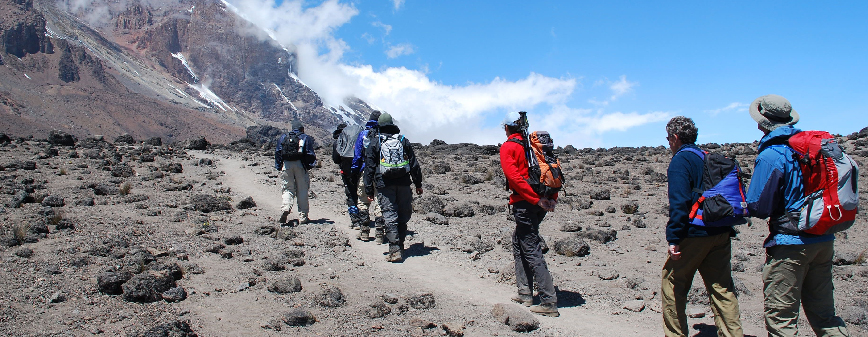
Tanzania Adventures
Here, we delve into the complexities of Kilimanjaro summit success rates, offering insights into the variables that climbers must navigate on their quest for Uhuru Peak.
The choice of climbing route plays a significant role in determining Kilimanjaro summit success rates. Each route offers its own set of challenges, landscapes, and acclimatization profiles, which can impact climbers' ability to reach the summit. Routes such as the Marangu and Rongai, which feature gradual ascents and hut accommodations, tend to have higher success rates due to their relatively gentle gradients and amenities. In contrast, more challenging routes like the Machame and Umbwe, which involve steeper ascents and camping, may have lower success rates but offer a more adventurous experience.
Altitude acclimatization is a critical factor in determining Kilimanjaro summit success rates. Climbers who ascend gradually and allow sufficient time for their bodies to adjust to the reduced oxygen levels at higher altitudes are more likely to reach the summit successfully. Adequate hydration, proper nutrition, and pacing are essential for minimizing the risk of altitude-related illnesses such as acute mountain sickness (AMS), high altitude pulmonary edema (HAPE), and high altitude cerebral edema (HACE). Routes that incorporate longer itineraries with additional acclimatization days typically have higher summit success rates.
Climber experience and fitness levels also influence Kilimanjaro summit success rates. While technical climbing skills are not required for most routes, a good level of physical fitness and mental resilience are essential for enduring the physical and mental demands of the ascent. Experienced climbers with a history of high-altitude trekking may have a higher chance of summit success due to their familiarity with the challenges of high-altitude environments and their ability to manage discomfort and fatigue effectively.
Weather conditions can have a significant impact on Kilimanjaro summit success rates. Unpredictable weather patterns, including rain, snow, wind, and extreme cold, can pose challenges for climbers, particularly during the final push to the summit. Clear skies and moderate temperatures are conducive to summit success, providing optimal visibility and comfort for climbers. Conversely, adverse weather conditions such as storms or blizzards may force climbers to turn back before reaching the summit, reducing overall success rates.
The expertise and support provided by guides and support teams play a crucial role in determining Kilimanjaro summit success rates. Experienced guides are familiar with the intricacies of the mountain, including optimal routes, weather patterns, and altitude-related risks. They provide invaluable guidance, motivation, and assistance to climbers throughout the ascent, enhancing their chances of reaching the summit safely and successfully. A well-equipped and supportive support team, including porters, cooks, and medical staff, also contributes to climbers' comfort and well-being on the mountain.