Altitude sickness is a significant concern for climbers aiming to reach the summit of Mount Kilimanjaro. This article provides a detailed guide to understanding, recognizing, and managing the symptoms of altitude sickness. Learn about the different types of altitude sickness, their symptoms, and crucial tips for prevention and treatment to ensure a safe and successful ascent of Africa's highest peak.
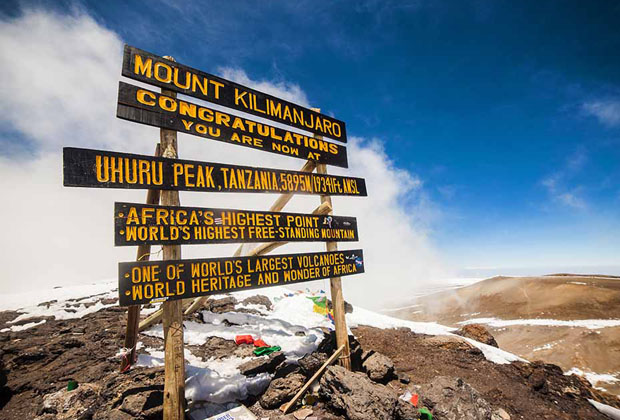
Climbing Mount Kilimanjaro presents a thrilling challenge but also brings the risk of altitude sickness, a condition caused by the reduced oxygen levels at high altitudes. Understanding the symptoms and knowing how to respond is essential for a safe trek. This article outlines the types of altitude sickness, their symptoms, and effective strategies for prevention and treatment, helping climbers to be well-prepared for their high-altitude adventure.
Tanzania Adventures
Altitude sickness, also known as acute mountain sickness (AMS), can manifest in different forms, ranging from mild discomfort to severe, life-threatening conditions.
Acute Mountain Sickness (AMS): The most common and mildest form of altitude sickness, characterized by symptoms that typically appear above 2,500 meters (8,200 feet).
High Altitude Cerebral Edema (HACE): A severe form of altitude sickness where fluid accumulates in the brain, potentially leading to fatal outcomes if not treated promptly.
High Altitude Pulmonary Edema (HAPE): Another severe condition, where fluid builds up in the lungs, impairing oxygen exchange and potentially leading to respiratory failure.
Recognizing the symptoms of altitude sickness early can prevent mild cases from progressing to more severe conditions.
Severe Headache: Intense headaches that do not respond to painkillers.
Loss of Coordination (Ataxia): Difficulty walking or balancing, often leading to a staggering gait.
Confusion and Disorientation: Mental confusion, hallucinations, and difficulty thinking clearly.
Seizures: In severe cases, seizures may occur.
Coma: Without treatment, HACE can progress to a coma and be fatal.
Shortness of Breath: Initially on exertion, but eventually also at rest.
Cough: Persistent cough, which may produce frothy or bloody sputum.
Chest Tightness: A feeling of pressure or tightness in the chest.
Bluish Skin (Cyanosis): Bluish tint to the lips or fingernails due to low oxygen levels.
Weakness: Extreme fatigue and weakness.
Proper preparation and response strategies are key to preventing and managing altitude sickness.
Gradual Ascent: Allowing time for acclimatization is crucial. Follow a slow and steady ascent schedule, ideally not exceeding 300-500 meters (1,000-1,600 feet) of elevation gain per day above 3,000 meters (10,000 feet).
Hydration: Drink plenty of fluids to stay hydrated, but avoid alcohol and caffeine, which can contribute to dehydration.
Medications: Consider taking preventive medications such as acetazolamide (Diamox) after consulting with a healthcare provider.
Fitness: Ensure you are in good physical condition before attempting the climb.
High-Carb Diet: Eating a diet high in carbohydrates can help maintain energy levels and reduce symptoms.
Descent: The most effective treatment for altitude sickness is to descend to a lower altitude as soon as possible.
Rest: Rest and avoid exertion to reduce symptoms.
Oxygen: Supplemental oxygen can help alleviate symptoms.
Medications: Pain relief for headaches (such as ibuprofen or paracetamol), anti-nausea medication, and, in severe cases, dexamethasone for HACE and nifedipine for HAPE.
Monitoring: Regularly check symptoms using a pulse oximeter and monitor blood oxygen levels.