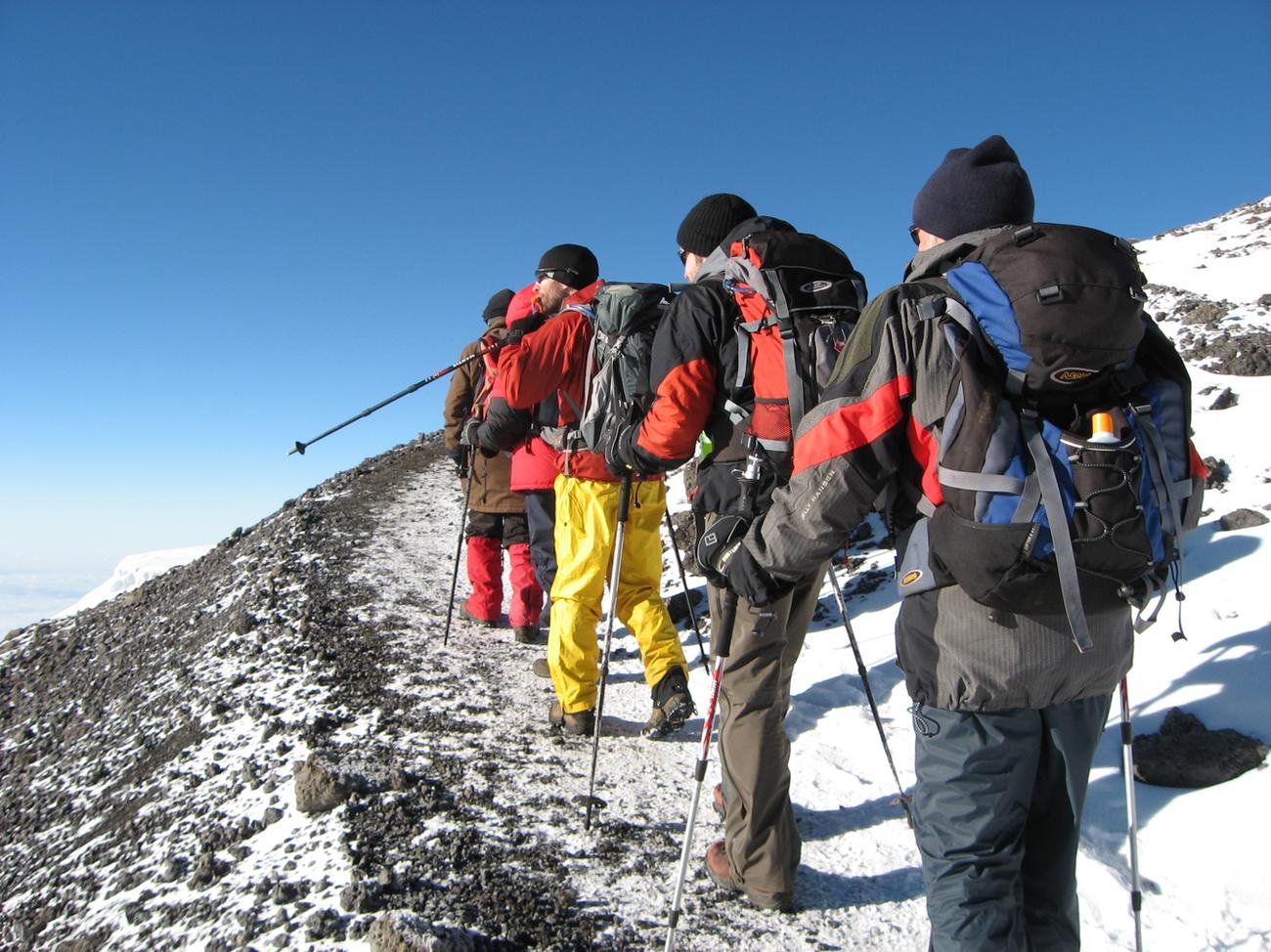
After conquering the challenge of Kilimanjaro, it is essential to prioritize post-climb recovery to support your body's healing and replenish your energy stores. This article offers practical tips and advice for optimizing your recovery process, including restorative activities, nutrition strategies, and self-care practices. Whether you're nursing sore muscles or combating altitude-related fatigue, these tips will help you bounce back stronger and savor the memories of your Kilimanjaro adventure.
The exhilaration of summiting Kilimanjaro is often followed by the need for adequate rest and recovery to support the body's recovery process. This guide presents a range of post-climb recovery tips tailored to address the physical and mental demands of trekking Africas tallest peak. From prioritizing rest and hydration to incorporating gentle movement and nourishing foods into your routine, these tips will help you recover effectively and return home feeling rejuvenated and proud of your accomplishment.
Tanzania Adventures
Support your body's recovery with these Kilimanjaro post-climb recovery tips:
Prioritize Sleep: Allow your body ample time to rest and recuperate by aiming for 7-9 hours of quality sleep each night. Create a comfortable sleep environment, practice relaxation techniques, and establish a consistent bedtime routine to promote restful sleep.
Take Rest Days: Listen to your body's cues and give yourself permission to take rest days as needed following your Kilimanjaro climb. Avoid strenuous activities and allow your muscles and joints time to recover from the physical exertion of trekking.
Drink Plenty of Water: Stay hydrated by drinking water regularly throughout the day, aiming for at least 8-10 glasses or more depending on your activity level and climate. Proper hydration supports recovery and helps flush out toxins from your system.
Eat Nutrient-Rich Foods: Fuel your body with nourishing foods rich in vitamins, minerals, and antioxidants to support recovery and replenish depleted energy stores. Focus on whole foods such as fruits, vegetables, lean proteins, whole grains, and healthy fats to optimize nutrition.
Practice Gentle Stretching: Incorporate gentle stretching exercises into your daily routine to improve flexibility, alleviate muscle tension, and enhance recovery. Focus on stretching major muscle groups such as the legs, hips, back, and shoulders to target areas of tightness and discomfort.
Low-Impact Activities: Engage in low-impact activities such as walking, swimming, or yoga to promote circulation, reduce inflammation, and encourage recovery without placing excessive strain on your muscles and joints.
Massage and Foam Rolling: Treat yourself to a massage or use a foam roller to relieve muscle soreness, improve circulation, and promote relaxation. Focus on areas of tightness and tension to release knots and trigger points.
Ice and Heat Therapy: Alternate between ice packs and heat therapy (such as hot baths or heating pads) to reduce inflammation, soothe sore muscles, and accelerate recovery. Experiment with different temperatures and durations to find what works best for you.
Reflect and Celebrate: Take time to reflect on your Kilimanjaro experience and celebrate your achievement. Journaling, sharing stories with friends and family, or creating a photo album can help you process your journey and savor the memories.
Practice Mindfulness: Incorporate mindfulness practices such as meditation, deep breathing exercises, or nature walks to reduce stress, promote relaxation, and cultivate a sense of gratitude for your Kilimanjaro adventure.