
Altitude plays a crucial role in the Kilimanjaro climbing experience, impacting oxygen levels and exerting physiological effects on climbers. This article delves into the science behind altitude-related oxygen levels on Kilimanjaro, exploring how elevation influences atmospheric pressure, oxygen saturation, and the body's adaptation mechanisms. By understanding the implications of high altitude on oxygen availability, climbers can better prepare for the challenges of trekking to Africa's highest peak.
As climbers ascend Kilimanjaro, they venture into increasingly high altitudes where oxygen levels diminish, presenting unique challenges to the human body. This guide provides an in-depth examination of Kilimanjaro's oxygen levels at high altitude, shedding light on the physiological effects of reduced oxygen saturation and the body's adaptive responses. By gaining insight into these factors, climbers can prepare effectively, mitigate altitude-related risks, and optimize their chances of a successful summit bid on Africa's iconic peak.
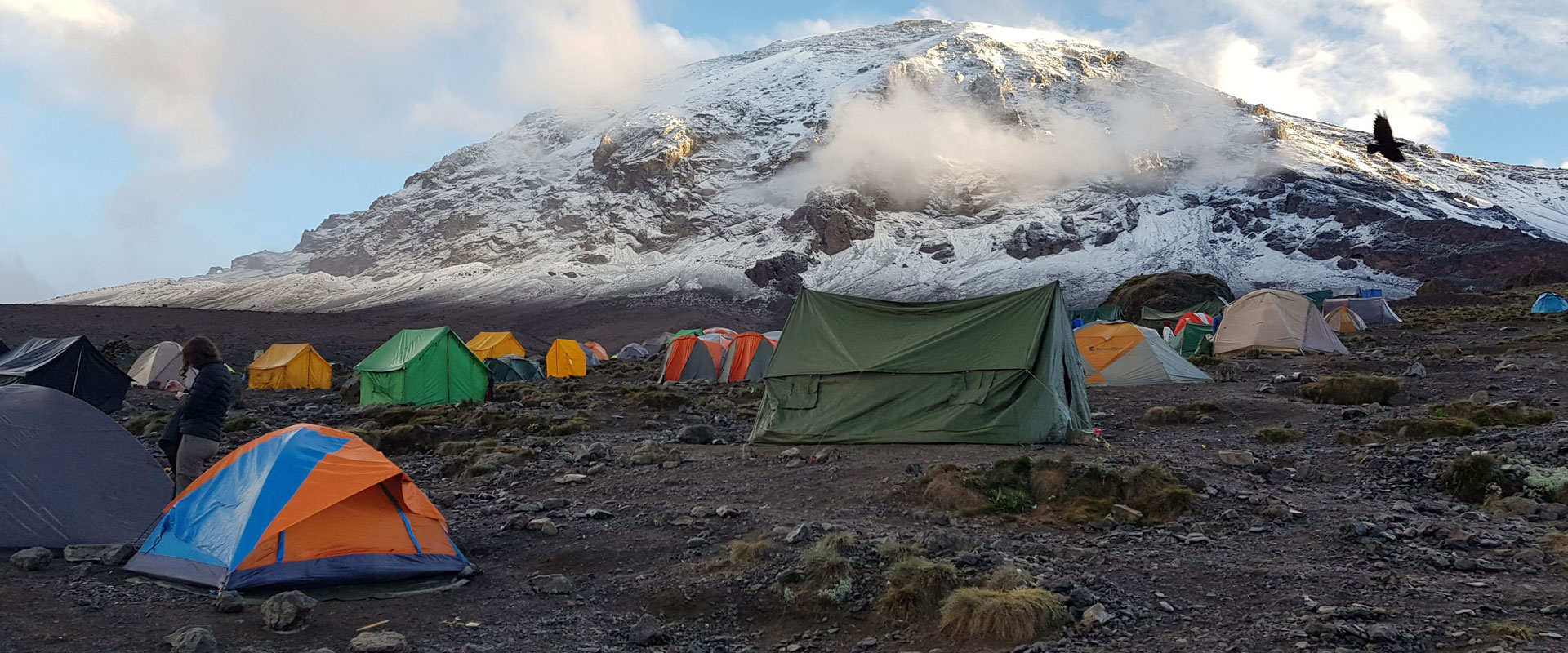
Tanzania Adventures
Embark on a journey into the thin air of Kilimanjaro's high altitudes:
Altitude Gradient: As climbers ascend Kilimanjaro, they enter regions of lower atmospheric pressure, resulting in reduced oxygen availability.
Physiological Impact: Decreased atmospheric pressure at high altitude leads to lower oxygen saturation levels in the bloodstream, triggering altitude-related symptoms such as shortness of breath, fatigue, and headaches.
Oxygen Saturation: Oxygen saturation refers to the percentage of hemoglobin molecules in the blood that are bound to oxygen. At sea level, oxygen saturation typically ranges from 95% to 100%.
Effects of Altitude: As climbers ascend Kilimanjaro, oxygen saturation levels decrease due to the lower partial pressure of oxygen in the atmosphere. At the summit, oxygen saturation can drop below 70% in some individuals, contributing to altitude sickness and impaired physical performance.
Acclimatization: The body undergoes physiological adaptations to cope with reduced oxygen levels at high altitude, including increased ventilation, production of red blood cells, and enhanced oxygen delivery to tissues.
Timeframe: Acclimatization typically occurs over several days of gradual ascent, allowing the body to adjust to the challenges of high altitude and minimize altitude-related symptoms.
Altitude Sickness: Altitude sickness, including acute mountain sickness (AMS), high-altitude cerebral edema (HACE), and high-altitude pulmonary edema (HAPE), poses significant risks to climbers ascending Kilimanjaro.
Precautionary Measures: Climbers can mitigate altitude-related risks by ascending gradually, staying hydrated, avoiding alcohol and tobacco, and recognizing early symptoms of altitude sickness.
Supplemental Oxygen: In severe cases of altitude sickness, supplemental oxygen may be administered to climbers to alleviate symptoms and facilitate descent.
Portable Oxygen Systems: Some trekking companies offer portable oxygen systems as a precautionary measure for climbers ascending Kilimanjaro, providing additional support at high altitude.