Unlock the secrets of Kilimanjaro's ever-changing weather with this comprehensive guide to mountain weather patterns. From clear skies to sudden storms, Kilimanjaro's climate can be unpredictable and challenging for trekkers. This article explores the seasonal weather patterns, temperature variations, precipitation trends, and other meteorological phenomena that influence conditions on Africa's highest peak. Armed with this knowledge, climbers can better prepare for the elements and make informed decisions to maximize safety and enjoyment during their Kilimanjaro adventure.
Kilimanjaro's towering summit rises above the African plains, creating its own unique microclimate characterized by dramatic weather fluctuations. This guide delves into the dynamic weather patterns that shape conditions on the mountain, offering insights into seasonal variations, temperature extremes, and precipitation trends. By understanding Kilimanjaro's weather patterns, climbers can anticipate changes, plan accordingly, and embark on their ascent with confidence and preparedness, ensuring a memorable and safe journey to the Roof of Africa.
Tanzania Adventures
Embark on a meteorological adventure with Kilimanjaro's weather patterns:
Dry Season (June-October): The dry season typically offers the most favorable climbing conditions, with clear skies, mild temperatures, and minimal precipitation. This period is popular among trekkers seeking optimal visibility and stable weather for their ascent.
Wet Season (November-May): The wet season is characterized by increased rainfall, especially in the afternoon and evening. Trekkers should be prepared for muddy trails, cloud cover, and potential thunderstorms, particularly at higher elevations.
Summit Temperatures: At the summit of Kilimanjaro, temperatures can plummet below freezing, even during the dry season. Climbers should be prepared for sub-zero temperatures and strong winds, especially during the final ascent to Uhuru Peak.
Altitude Effects: As climbers ascend to higher elevations, temperatures drop and weather conditions can become more extreme. Proper layering and cold-weather gear are essential for staying warm and comfortable in varying conditions.
Rainfall Patterns: Kilimanjaro experiences distinct rainfall patterns, with precipitation typically increasing during the wet season and decreasing during the dry season. Rainfall is more prevalent on the mountain's southern and western slopes, while the northern and eastern slopes are relatively drier.
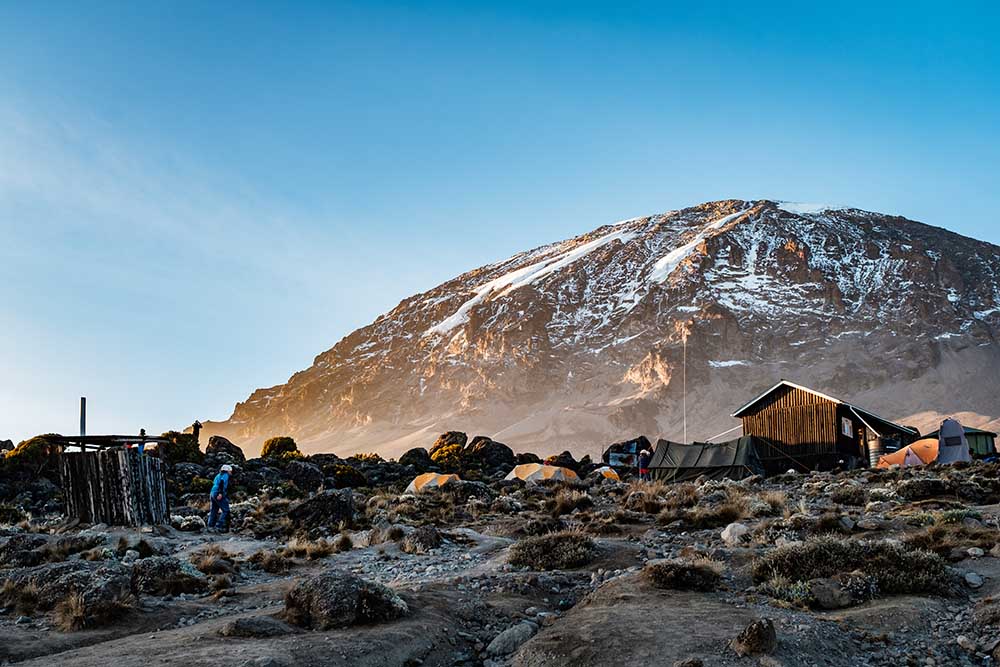
Snowfall: Despite its proximity to the equator, Kilimanjaro's summit is often capped with snow and ice year-round. Snowfall can occur sporadically, especially during the dry season, adding an extra layer of challenge for climbers.
Cloud Banks: Cloud cover is common on Kilimanjaro, particularly at higher elevations. Clouds can obscure visibility and create challenging trekking conditions, especially during the wet season when fog and mist are more prevalent.
Clear Skies: Clear skies are more common during the dry season, offering panoramic views of the surrounding landscape and distant horizons. Clear weather is ideal for summit attempts, providing optimal visibility and photographic opportunities.
Forecasting Tools: Climbers can access weather forecasts and updates through various online platforms, including meteorological websites and mobile apps. These tools provide valuable insights into upcoming weather conditions and trends, allowing climbers to adjust their plans accordingly.
Preparation Strategies: Proper gear selection, including waterproof clothing, insulated layers, and sturdy footwear, is essential for navigating Kilimanjaro's dynamic weather. Climbers should also be prepared for sudden changes in conditions and maintain flexibility in their itinerary to prioritize safety.