Preventing altitude sickness is essential for a safe and successful Kilimanjaro expedition. This article delves into effective prevention strategies for mountain sickness, including proper acclimatization, hydration, nutrition, medication, and awareness of symptoms. By understanding the causes and risk factors of altitude sickness and implementing proactive measures, climbers can optimize their chances of acclimatizing successfully and reaching the summit of Africas tallest peak without compromising their health and safety.
Altitude sickness poses a significant risk to climbers ascending Kilimanjaro, but with careful preparation and proactive measures, it can be effectively prevented. This article offers an overview of mountain sickness prevention strategies, emphasizing the importance of gradual acclimatization, hydration, nutrition, medication, and symptom recognition. By adopting these preventative measures, climbers can minimize the risk of altitude-related illnesses and maximize their chances of summit success on Kilimanjaro.
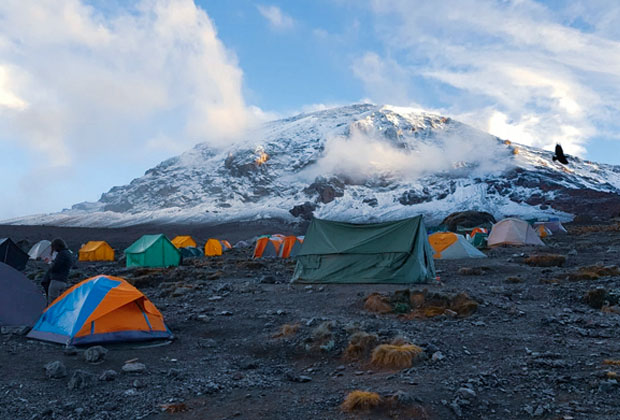
Tanzania Adventures
Prepare for your Kilimanjaro adventure with these mountain sickness prevention strategies:
Description: Gradual acclimatization involves ascending slowly and allowing the body time to adjust to higher altitudes. Climbers should follow a gradual ascent profile, incorporating rest days and altitude gains of no more than 300-500 meters (1,000-1,600 feet) per day.
Benefits: Gradual acclimatization helps the body adapt to reduced oxygen levels, increasing red blood cell production, and improving oxygen utilization efficiency, thereby reducing the risk of altitude sickness.
Recommendations: Climbers should choose routes with longer durations, such as the Machame Route or Lemosho Route, to allow for proper acclimatization. it is also essential to stay hydrated, avoid alcohol and tobacco, and listen to your body's signals of fatigue or discomfort.
Description: Proper hydration and nutrition are crucial for preventing altitude sickness and maintaining overall health and performance on Kilimanjaro. Climbers should drink plenty of water to stay hydrated and consume a balanced diet rich in carbohydrates, proteins, and electrolytes.
Benefits: Adequate hydration helps prevent dehydration and altitude-related symptoms such as headaches, fatigue, and nausea, while proper nutrition provides the energy and nutrients needed for physical exertion and recovery.
Recommendations: Climbers should drink at least 3-4 liters of water per day and consume high-carbohydrate foods such as pasta, rice, bread, and fruits to fuel their ascent and replenish glycogen stores.
Description: Certain medications and supplements can help prevent altitude sickness or alleviate its symptoms. Acetazolamide (Diamox) is a commonly prescribed medication that can aid in acclimatization by increasing respiratory rate and reducing the risk of fluid retention in the lungs and brain.
Benefits: Medications such as acetazolamide can help climbers acclimatize more quickly and reduce the severity of altitude-related symptoms, improving their chances of summit success.
Recommendations: Climbers should consult with a healthcare provider before taking any medications or supplements for altitude sickness prevention, as individual medical histories and conditions may influence their suitability and dosage.
Description: Recognizing the early signs and symptoms of altitude sickness is essential for prompt intervention and treatment. Common symptoms include headache, dizziness, nausea, fatigue, shortness of breath, and difficulty sleeping.
Benefits: Early detection of altitude sickness allows climbers to take appropriate measures, such as descending to lower altitudes, resting, hydrating, or seeking medical assistance, to prevent the progression of symptoms and ensure their safety and well-being.
Recommendations: Climbers should familiarize themselves with the symptoms of altitude sickness and monitor their own and their teammates' health closely throughout the ascent. it is essential to communicate openly and honestly about any symptoms or concerns and prioritize safety above all else.