
Mount Kilimanjaro stands not only as Africas tallest peak but also as a beacon of historical significance, woven into the fabric of East Africa's cultural, political, and environmental history. This article delves into the multifaceted historical significance of Kilimanjaro, tracing its role as a sacred landmark for indigenous peoples, a symbol of colonial exploration, a catalyst for regional development, and a focal point for global conservation efforts. From ancient myths and legends to modern-day conservation initiatives, Kilimanjaro's rich historical legacy continues to shape the identity and destiny of the East African region.
Mount Kilimanjaro's historical significance transcends its towering height, encompassing a rich tapestry of cultural, political, and environmental narratives. This article illuminates the diverse facets of Kilimanjaro's historical legacy, from its revered status in indigenous folklore to its pivotal role in colonial expeditions and its enduring impact on regional development and conservation. By exploring the historical layers of Kilimanjaro's past, we gain a deeper appreciation for the mountain's profound influence on the people, landscapes, and ecosystems of East Africa.
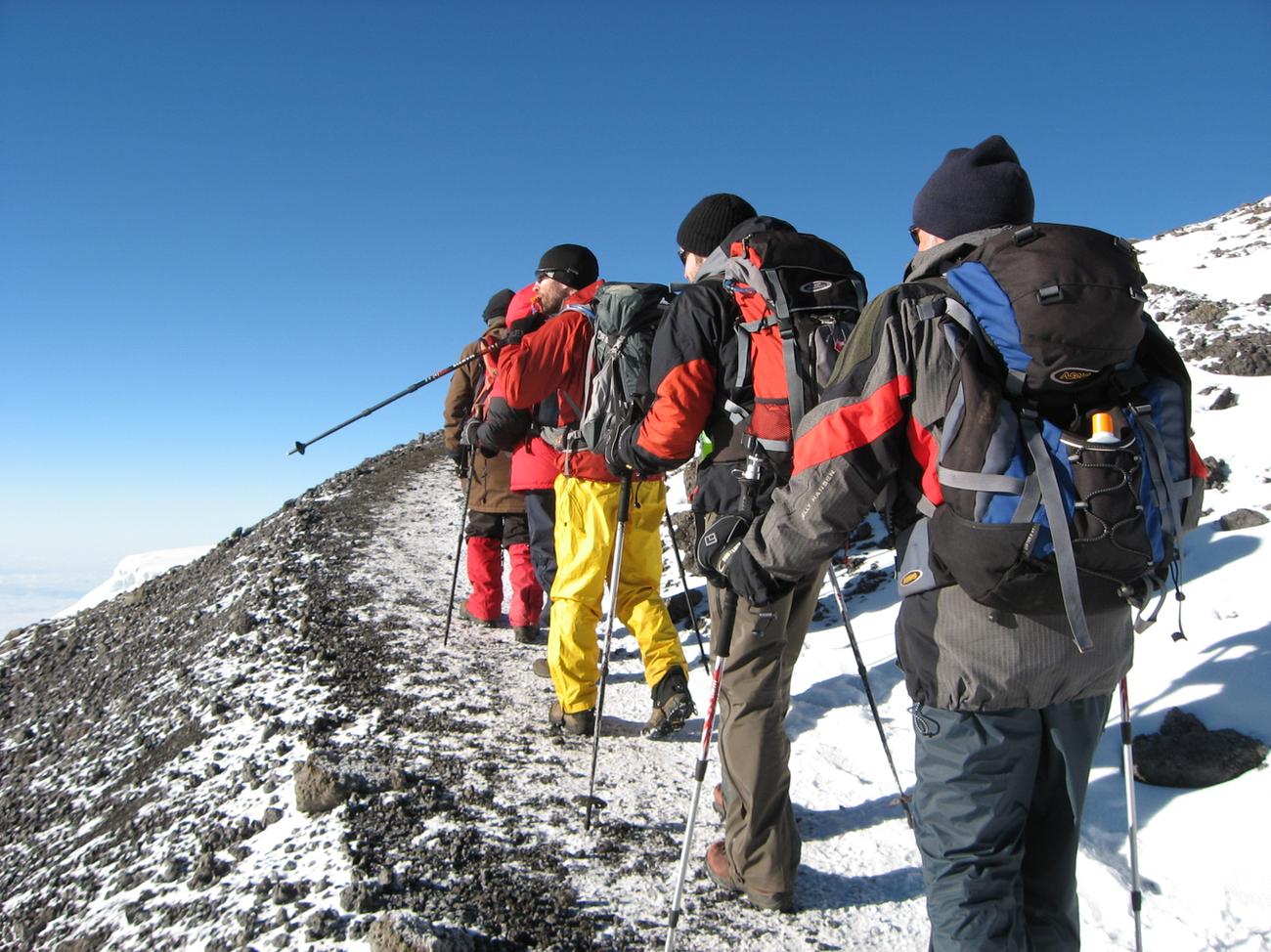
Tanzania Adventures
Here's a glimpse into the multifaceted historical legacy of Kilimanjaro:
Indigenous Lore: For centuries, Kilimanjaro has been revered as a sacred mountain by indigenous peoples such as the Chagga, Maasai, and Kamba. It features prominently in local folklore, myths, and spiritual beliefs, serving as a source of inspiration, identity, and cultural continuity for generations.
Ceremonial Practices: The slopes of Kilimanjaro are dotted with sacred sites, shrines, and rituals associated with traditional ceremonies, rites of passage, and ancestral worship. These cultural practices underscore the mountain's enduring significance as a sacred landscape and cultural heritage site.
European Expeditions: In the 19th century, Kilimanjaro attracted the attention of European explorers and adventurers eager to conquer its lofty heights. The first recorded ascent of the mountain was made in 1889 by German geographer Hans Meyer and Austrian alpinist Ludwig Purtscheller, marking a turning point in colonial exploration and scientific inquiry in East Africa.
Colonial Legacy: Kilimanjaro's exploration by European colonizers contributed to the region's integration into the global economy and the subsequent establishment of colonial rule in East Africa. The mountain's strategic location and natural resources fueled colonial ambitions and economic exploitation, leaving a lasting imprint on the region's history and geopolitics.
Tourism Industry: Kilimanjaro's ascent into the global consciousness as a premier trekking destination has catalyzed the growth of the tourism industry in East Africa, providing employment opportunities, infrastructure development, and economic benefits to local communities.
Water Resources: The glaciers and snowfields of Kilimanjaro serve as a vital source of water for rivers, lakes, and agricultural lands in the region, supporting ecosystems, livelihoods, and socio-economic development in Tanzania and neighboring countries.
Global Conservation Icon: Kilimanjaro's status as a UNESCO World Heritage Site and a flagship symbol of global conservation efforts underscores its importance as a biodiversity hotspot and a critical ecosystem for climate resilience and environmental sustainability.
Climate Change Impacts: The rapid retreat of Kilimanjaro's glaciers due to climate change has heightened awareness about the urgent need for climate action and environmental protection, sparking conservation initiatives, research projects, and advocacy campaigns to preserve the mountain's fragile ecosystems and mitigate the impacts of global warming.