
Explore the breathtaking biodiversity of Mount Kilimanjaro with our comprehensive flora and fauna guide. From lush montane forests teeming with endemic plant species to elusive wildlife thriving in diverse ecosystems, Kilimanjaro offers a rich tapestry of natural wonders waiting to be discovered. This article provides insights into the unique flora and fauna found along Kilimanjaro's slopes, highlighting iconic species, ecological adaptations, and conservation efforts aimed at preserving this ecological treasure for future generations.
Mount Kilimanjaro is not only Africa's tallest peak but also a biodiversity hotspot renowned for its rich flora and fauna. This guide offers a fascinating journey through Kilimanjaro's diverse ecosystems, from the montane forests at lower elevations to the alpine desert and glaciers near the summit. By exploring the unique plant species, animal habitats, and conservation challenges facing Kilimanjaro's natural heritage, we gain a deeper appreciation for the mountain's ecological significance and the importance of sustainable conservation practices.
Tanzania Adventures
Embark on a journey of discovery with our Kilimanjaro flora and fauna guide:
Flora: Kilimanjaro's montane forests are characterized by dense vegetation, including towering trees, ferns, mosses, and epiphytes. Iconic plant species such as the Kilimanjaro cedar (Juniperus procera), African tulip tree (Spathodea campanulata), and giant heather (Erica arborea) thrive in this lush ecosystem, providing habitat and food for a variety of wildlife.
Fauna: Montane forests are home to a diverse array of wildlife, including primates such as blue monkeys, black-and-white colobus monkeys, and vervet monkeys. Birdwatchers can spot endemic species like the Abbot's starling, Kilimanjaro white-eye, and Hartlaub's turaco flitting among the canopy.
Flora: As climbers ascend Kilimanjaro, they transition through moorland and grassland habitats characterized by tussock grasses, heather, and giant lobelias. These hardy plant species have adapted to the harsh conditions of high altitude, including cold temperatures, strong winds, and low oxygen levels.
Fauna: Moorland and grassland habitats support a variety of wildlife, including rodents, hares, and birds of prey such as eagles and buzzards. Visitors may also encounter larger mammals such as elands, buffaloes, and mountain zebras grazing on the open slopes.
Flora: Near the summit of Kilimanjaro, climbers enter the alpine desert zone, where only the hardiest plant species can survive. Low-growing shrubs, lichens, and mosses cling to rocky outcrops, providing vital habitat for insects and other small organisms.
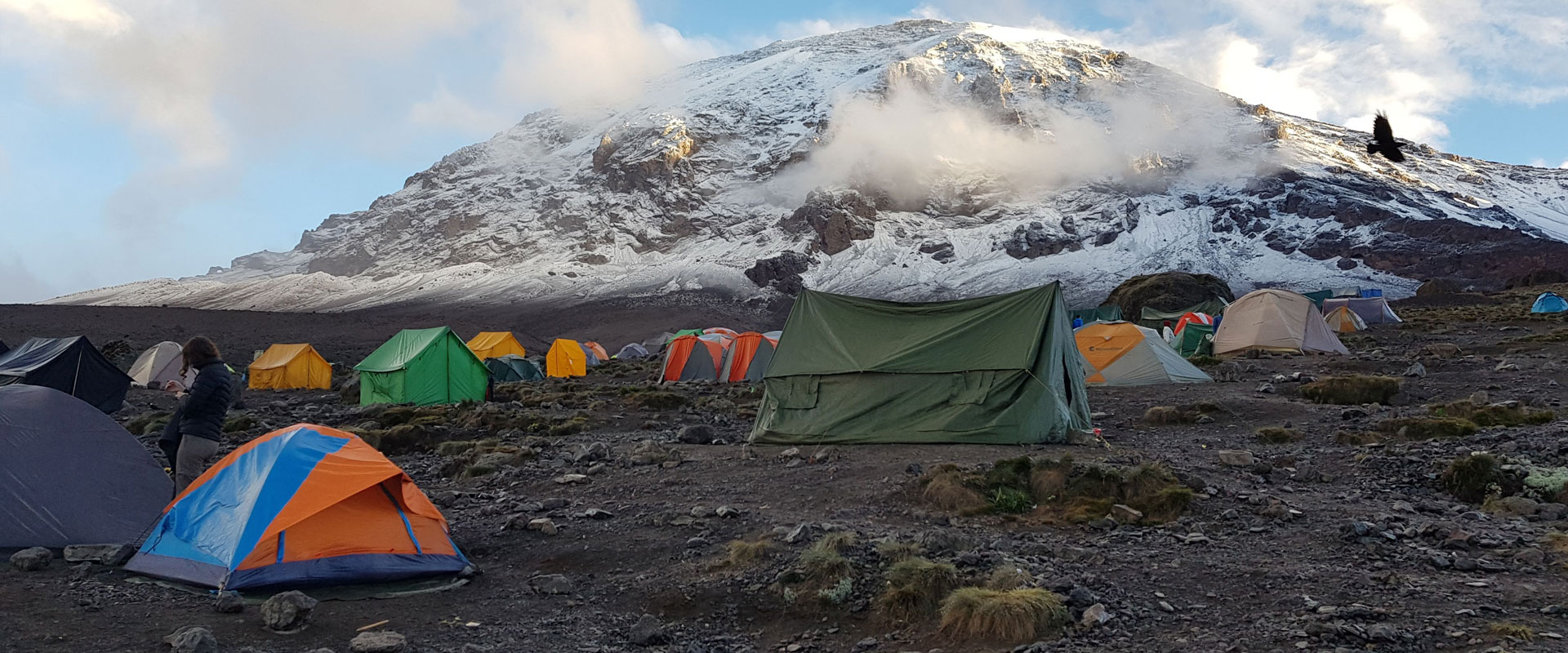
Fauna: Despite the harsh conditions of the alpine desert, a few hardy animal species manage to eke out a living in this extreme environment. These include insects such as beetles and butterflies, as well as scavengers like ravens and crows.
Flora: Kilimanjaro's glaciers and snowfields are home to unique microbial communities adapted to extreme cold and limited sunlight. These microscopic organisms play a crucial role in nutrient cycling and ecosystem dynamics in this high-altitude environment.
Fauna: While animal life is scarce in the glacial zone, occasional sightings of birds such as the alpine chat and malachite sunbird have been reported near the summit. However, most wildlife species are limited to lower elevations where food and shelter are more abundant.