
Embarking on a Kilimanjaro expedition is a formidable challenge that requires physical endurance, mental resilience, and careful preparation. This comprehensive article explores the difficulty level of climbing Kilimanjaro, including factors such as altitude, terrain, weather, and route selection. By delving into the intricacies of Kilimanjaro's difficulty, climbers can assess their readiness, plan accordingly, and embark on a safe and successful ascent to Africas highest peak.
Climbing Mount Kilimanjaro is a dream for adventurers seeking to conquer one of the world's most iconic peaks. However, the journey to the Roof of Africa is not for the faint of heart, as climbers must contend with a range of challenges that test their physical and mental limits. Understanding the difficulty level of climbing Kilimanjaro is essential for climbers preparing to undertake this epic adventure. This article serves as a comprehensive guide to Kilimanjaro's difficulty, offering insights into the factors that make the ascent challenging and empowering climbers to overcome obstacles and achieve their summit goals.
Tanzania Adventures
Here, we explore the difficulty level of climbing Kilimanjaro, shedding light on the factors that make the ascent demanding and empowering climbers to rise to the challenge and reach new heights.
One of the most significant challenges of climbing Kilimanjaro is the high altitude, which can lead to altitude-related illnesses such as acute mountain sickness (AMS), high altitude pulmonary edema (HAPE), and high altitude cerebral edema (HACE). As climbers ascend to higher elevations, the air becomes thinner, making it harder to breathe and increasing the risk of altitude sickness. Proper acclimatization is essential for minimizing the effects of altitude and ensuring a safe and successful ascent. Climbers should ascend slowly, stay hydrated, and listen to their bodies for signs of altitude sickness, such as headache, nausea, dizziness, and fatigue.
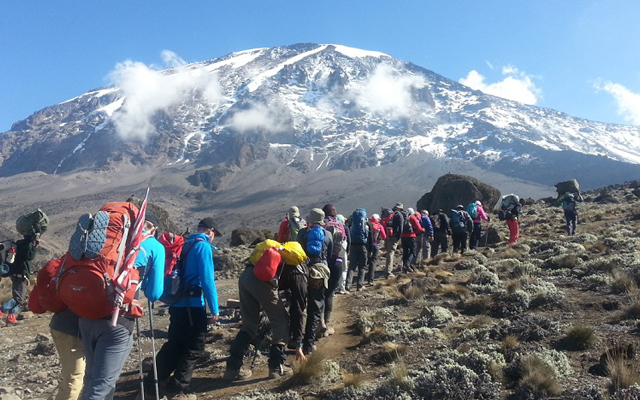
Kilimanjaro's terrain is diverse and challenging, ranging from lush rainforests and alpine meadows to rocky slopes and barren lunar landscapes. Climbers must navigate steep and uneven trails, rocky terrain, and slippery scree slopes, requiring a good level of physical fitness and hiking experience. The terrain becomes increasingly rugged and inhospitable as climbers ascend to higher elevations, with sections of loose gravel, boulders, and exposed ridges posing additional challenges. Climbers should be prepared for long days of hiking, challenging terrain, and variable weather conditions as they make their way to the summit.
The weather on Mount Kilimanjaro is notoriously unpredictable, with conditions ranging from sweltering heat to freezing cold within a single day. Climbers may encounter rain, snow, wind, and extreme temperatures at various points along the trek, particularly at higher elevations. Sudden weather changes can pose challenges for climbers, affecting visibility, trail conditions, and comfort levels. Climbers should be prepared for all types of weather and pack appropriate clothing, gear, and equipment to stay warm, dry, and comfortable throughout the trek.
Kilimanjaro offers several different climbing routes, each with its own unique challenges and difficulty levels. Routes vary in length, altitude gain, terrain type, and acclimatization profile, allowing climbers to choose the route that best suits their preferences and abilities. Some routes, such as the Marangu and Rongai, feature gradual ascents and hut accommodations, making them suitable for less experienced climbers. In contrast, routes like the Machame and Umbwe are more challenging, with steeper ascents and camping required. Climbers should research each route carefully and choose the one that aligns with their fitness level, experience, and climbing goals.
Climbing Kilimanjaro requires a good level of physical fitness, mental resilience, and determination. Long days of hiking, high altitude, and challenging terrain can take a toll on climbers' bodies and minds, requiring strength, endurance, and perseverance to overcome obstacles and reach the summit. Climbers should engage in regular physical training, including cardiovascular exercise, strength training, and hiking with a weighted pack, to build endurance and prepare their bodies for the demands of the trek. Mental preparation is equally important, as climbers must maintain a positive attitude, stay focused, and push through fatigue and discomfort to achieve their summit goals.