Description: Embarking on the awe-inspiring journey to summit Mount Kilimanjaro requires careful financial planning, as climbers must consider a range of expenses including permits, guide fees, gear rentals, accommodations, and travel arrangements. This comprehensive article explores the various costs associated with climbing Kilimanjaro, offering insights into budgeting considerations, cost-saving tips, and factors that influence overall expedition expenses. Whether you're a budget-conscious traveler or seeking a luxury adventure, understanding the costs of climbing Kilimanjaro is essential for planning a successful and memorable expedition.
Climbing Mount Kilimanjaro is a dream for many adventurers, but it is essential to understand the financial investment required to turn that dream into reality. From permits and guide fees to gear rentals and accommodations, the costs of climbing Kilimanjaro can vary significantly depending on factors such as route choice, duration of the trek, and level of comfort desired. This article serves as a comprehensive guide to Kilimanjaro costs, providing valuable insights into budgeting considerations, cost-saving strategies, and the overall expenses involved in undertaking this epic adventure.
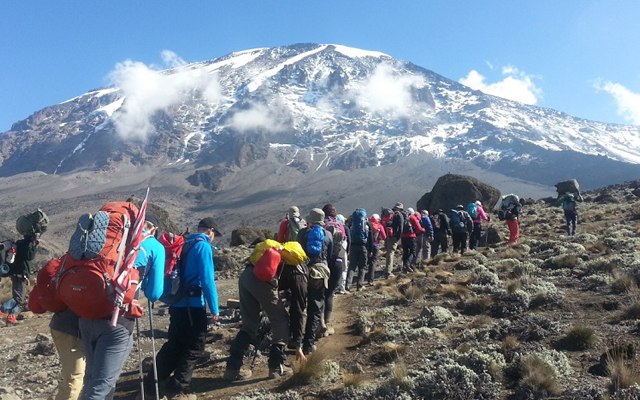
Tanzania Adventures
Here, we break down the costs associated with climbing Kilimanjaro, offering insights into budgeting considerations, cost-saving strategies, and factors that influence overall expedition expenses.
Climbing Kilimanjaro requires obtaining permits and paying park fees, which constitute a significant portion of the expedition costs. The exact cost of permits varies depending on the chosen route, duration of the trek, and whether climbers opt for additional park services such as rescue fees or camping fees. As of [current year], permit costs range from [price range] per person, with fees typically higher for non-resident climbers than for Tanzanian residents.
Hiring experienced guides and support staff is essential for a safe and successful Kilimanjaro ascent. Guide fees typically include the services of a lead guide, assistant guides, cooks, and porters, who assist with carrying gear, setting up camp, and preparing meals. The cost of guide fees varies depending on factors such as group size, route choice, and level of service provided. On average, guide fees range from [price range] per person for a standard group trek, with additional fees for private or luxury expeditions.
Climbing Kilimanjaro requires specialized gear and equipment to ensure comfort, safety, and protection against the elements. While some climbers may bring their own gear, others opt to rent equipment locally to reduce costs and travel weight. Common gear rentals include tents, sleeping bags, sleeping pads, trekking poles, and cold-weather clothing. Rental prices vary depending on the quality and availability of equipment, with options ranging from basic to premium gear packages.
Accommodations and meals during the Kilimanjaro trek are typically provided as part of the package by tour operators. Most climbers stay in tents at designated campsites along the route, with meals prepared by experienced cooks using fresh ingredients. The cost of accommodations and meals varies depending on the chosen route, level of service, and operator reputation. Luxury or premium packages may include upgraded accommodations such as tented camps or mountain huts, while budget-friendly options offer basic camping facilities.
Travel and transportation expenses include flights to and from Kilimanjaro International Airport (JRO), as well as ground transportation to the starting point of the trek. Climbers should budget for airfare, airport transfers, and any additional travel arrangements such as hotel stays before or after the trek. Costs may vary depending on departure city, airline choice, and travel dates, with budget airlines and advance booking often offering lower fares.
In addition to the core expenses mentioned above, climbers should budget for miscellaneous costs such as travel insurance, visa fees, gratuities for guides and support staff, personal snacks and beverages, and optional activities or excursions before or after the trek. While these expenses may seem minor individually, they can add up quickly and should be factored into the overall budget for the Kilimanjaro expedition.
Climbing Kilimanjaro is a significant financial investment, but there are ways to manage costs and make the experience more affordable. Consider joining a group trek to share expenses with fellow climbers, choose a less popular route or travel during the shoulder season to take advantage of lower permit fees, and compare prices from multiple tour operators to find the best value for your budget. Additionally, packing wisely, bringing your own gear when possible, and avoiding unnecessary expenses can help reduce overall expedition costs.