
Ascending Mount Kilimanjaro, Africas tallest peak, requires careful acclimatization to mitigate the risks of altitude sickness and ensure a successful summit. This article explores proven Kilimanjaro acclimatization strategies, offering valuable insights into gradual ascent profiles, hydration techniques, dietary considerations, and supplemental oxygen usage. Whether you're a novice trekker or an experienced climber, understanding and implementing these strategies is essential for optimizing your body's adaptation to high altitude and maximizing your chances of reaching the summit safely.
Ascending to the summit of Mount Kilimanjaro presents climbers with the challenge of adapting to high altitude, where the air becomes thinner and oxygen levels decrease. Effective acclimatization strategies are essential for minimizing the risk of altitude sickness and optimizing climbers' chances of reaching the summit safely. This article serves as a comprehensive guide to Kilimanjaro acclimatization strategies, offering valuable insights and practical tips for climbers to adapt gradually to high altitude and maximize their chances of success on Africas highest peak.
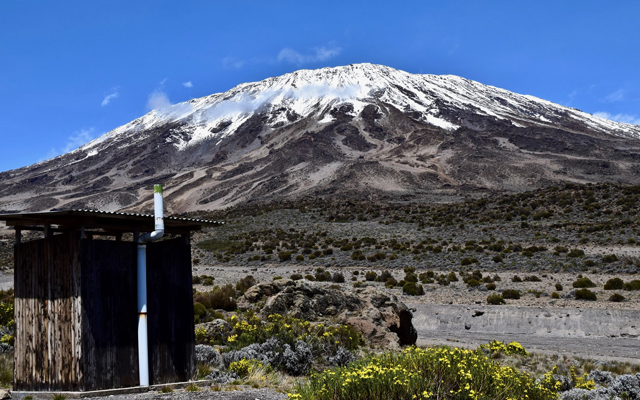
Tanzania Adventures
Here are some proven Kilimanjaro acclimatization strategies to help climbers optimize their adaptation to high altitude and maximize their chances of reaching the summit safely:
Gradual ascent is the key to successful acclimatization on Kilimanjaro. Climbers should follow a slow and steady ascent profile, allowing their bodies to adjust gradually to the decreasing oxygen levels as they climb higher. Opting for longer trekking itineraries with additional acclimatization days increases the chances of successful summit attempts by giving climbers more time to acclimatize effectively.
Staying hydrated is essential for acclimatization at high altitude. Climbers should drink plenty of water throughout the trek, aiming for at least 3-4 liters per day to maintain hydration levels and support physiological adaptation to altitude. Avoiding caffeine and alcohol, which can contribute to dehydration, and opting for electrolyte-rich fluids such as sports drinks or oral rehydration solutions can help maintain electrolyte balance and prevent altitude-related illnesses.
Nutrition plays a crucial role in supporting acclimatization and energy levels during the ascent of Kilimanjaro. Climbers should consume a balanced diet rich in carbohydrates, proteins, and healthy fats to fuel their bodies for the demanding physical exertion of trekking at high altitude. Incorporating high-altitude superfoods such as quinoa, nuts, seeds, and dried fruits into meals can provide essential nutrients and energy for sustained performance and recovery.
Supplemental oxygen can be used as a precautionary measure to alleviate symptoms of altitude sickness and facilitate acclimatization on Kilimanjaro. Portable oxygen systems, such as oxygen concentrators or bottled oxygen, can provide relief for climbers experiencing mild to moderate symptoms of altitude sickness, allowing them to continue ascending safely while mitigating the risk of complications.
Adequate rest and recovery are essential components of effective acclimatization on Kilimanjaro. Climbers should prioritize sleep and relaxation during the trek, allowing their bodies to recover from the physical exertion of hiking and adapt to the demands of high altitude. Taking short breaks, practicing deep breathing exercises, and engaging in gentle stretching or yoga can help promote relaxation and enhance acclimatization.
Some climbers may benefit from using altitude sickness medication or supplements to support acclimatization on Kilimanjaro. Common medications such as acetazolamide (Diamox) can help prevent and alleviate symptoms of altitude sickness by stimulating breathing and increasing oxygenation of tissues. However, climbers should consult with a healthcare professional before taking any medication or supplements and be aware of potential side effects or contraindications.