Embarking on a trek up Mount Kilimanjaro requires more than just physical preparation—it also demands respect for the mountain, its environment, and fellow trekkers. This article outlines essential etiquette guidelines for climbers, covering topics such as environmental stewardship, cultural sensitivity, safety protocols, and responsible trekking practices. By adhering to these principles, climbers can ensure a positive and respectful experience while ascending Africa's highest peak.
Trekking Mount Kilimanjaro is a remarkable adventure that brings climbers into close contact with nature, local communities, and fellow trekkers. Practicing proper etiquette is essential to preserve the mountain's pristine environment, respect local customs and traditions, and ensure the safety and enjoyment of all climbers. This article provides a comprehensive guide to Kilimanjaro trekking etiquette, offering valuable insights and practical tips for climbers seeking to approach their ascent with respect, responsibility, and consideration for the mountain and its inhabitants.
Tanzania Adventures
Preserving Kilimanjaro's fragile ecosystem is paramount for future generations of climbers to enjoy. Follow these guidelines to minimize your environmental impact:
Leave No Trace: Pack out all trash and waste, including biodegradable items such as food scraps and tissues.
Stay on Designated Trails: Avoid trampling vegetation and causing erosion by sticking to established paths.
Minimize Campfire Impact: Use designated fire pits where provided and avoid building new fire rings.
Respect Wildlife: Admire wildlife from a distance and refrain from feeding or disturbing animals.
Engaging respectfully with the local communities and cultures surrounding Kilimanjaro is essential. Follow these guidelines to show cultural sensitivity:
Respect Local Customs: Learn about and respect the traditions and customs of the indigenous communities you encounter during your trek.
Ask Permission: Seek permission before taking photographs of people, cultural sites, or private property.
Support Local Economy: Purchase souvenirs and services from local artisans and businesses to contribute positively to the local economy.
Dress Appropriately: Dress modestly and respectfully, especially when visiting religious or cultural sites.
Ensuring the safety of yourself and others is paramount while trekking Kilimanjaro. Follow these safety protocols to minimize risks:
Stay Hydrated: Drink plenty of water to prevent dehydration and altitude-related illnesses.
Acclimatize Properly: Follow recommended acclimatization schedules and listen to your body's signals.
Follow Guide Instructions: Respect the authority and expertise of your guides, who are trained to keep you safe.
Be Prepared: Carry essential safety gear, including a first aid kit, emergency shelter, and communication device.
Adopting responsible trekking practices enhances the overall experience for yourself and fellow climbers. Follow these guidelines for a positive trekking experience:
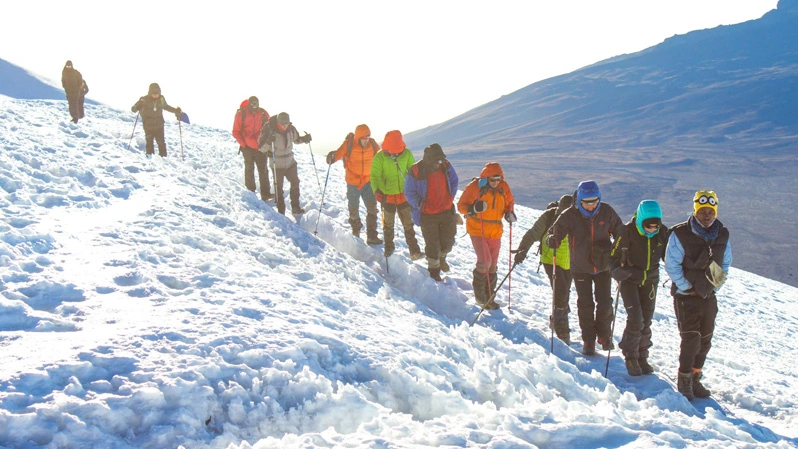
Respect Fellow Climbers: Be considerate of others on the trail, yielding to faster or slower climbers as needed.
Practice Patience: Kilimanjaro trekking requires patience and perseverance. Be patient with yourself and others, especially during challenging sections.
Leave Space: Allow space for other climbers to pass on narrow sections of the trail, and avoid crowding at viewpoints or summit areas.
Share Knowledge: Share your knowledge and experiences with fellow climbers, fostering a sense of camaraderie and mutual support.