
Tour Price Range Per Person: (On Request)
Kigosi Game Reserve, located in northwestern Tanzania, is one of the country's largest and most significant protected areas. This guide provides comprehensive information about the reserve, its wildlife, and the unique experiences it offers to visitors.
Kigosi Game Reserve is a hidden gem offering an authentic and off-the-beaten-path wildlife experience in Tanzania. With its diverse ecosystems, rich wildlife, and cultural experiences, Kigosi provides a unique and memorable adventure for nature enthusiasts and travelers seeking tranquility away from the more crowded parks. Plan your visit to Kigosi Game Reserve and immerse yourself in the natural beauty and cultural richness of this remarkable area. For further assistance or to book your safari adventure, please contact Tanzania Adventures Group at WhatsApp: +255 754042154
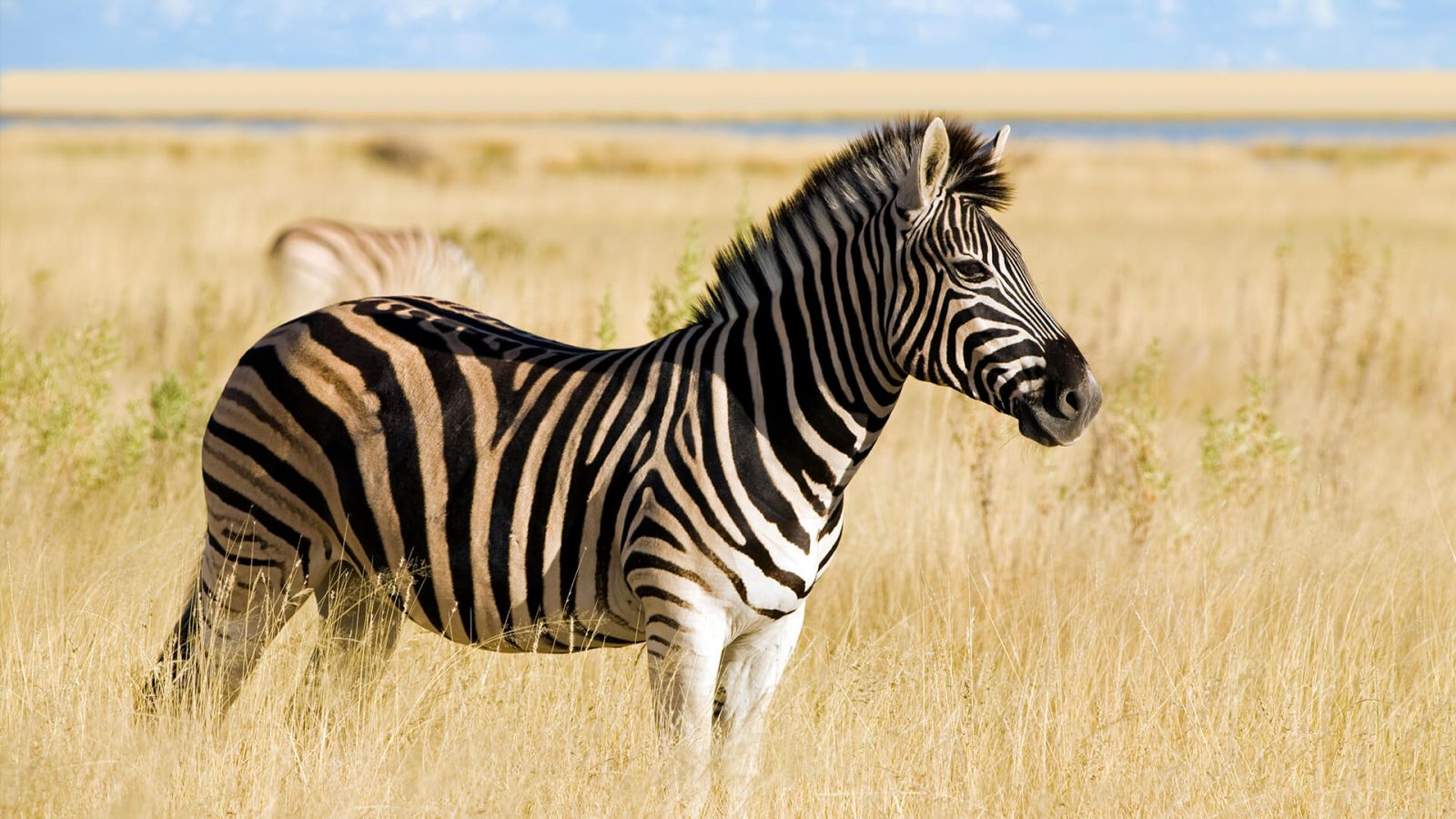
Kigosi Game Reserve is situated in the Shinyanga, Geita, and Kigoma regions.
Approximately 100 kilometers west of Kahama City.
Covers an area of around 7,000 square kilometers, making it one of Tanzania's largest game reserves.
Established as a game reserve in the 1980s to protect the area’s diverse wildlife and ecosystems.
Tropical climate with distinct wet and dry seasons.
The wet season is from November to April, while the dry season spans from May to October.
The reserve features a variety of ecosystems, including miombo woodlands, grasslands, and seasonal wetlands.
Rich in plant species that provide habitat and food for the diverse wildlife.
Mammals: Kigosi is home to a wide range of mammals, including elephants, buffaloes, hippos, lions, leopards, hyenas, and various antelope species such as roan and sable antelopes.
Birds: The reserve is a haven for bird watchers, hosting over 350 bird species, including the shoebill stork, wattled crane, and various waterfowl.
Reptiles and Amphibians: The wetlands and water bodies within the reserve support a diverse population of reptiles and amphibians.
Experience the rich wildlife of Kigosi on guided game drives.
Best conducted during the dry season when animals congregate around water sources.
Kigosi's wetlands and woodlands are perfect for bird watching.
Prime bird watching spots include the seasonal swamps and riverbanks.
Explore the reserve on foot with guided walking safaris.
Offers an intimate experience of the flora and fauna, guided by experienced rangers.
The diverse landscapes and abundant wildlife provide excellent opportunities for photography.
Capture stunning images of the reserve’s wildlife and scenic vistas.
Visit nearby Sukuma villages to learn about the local culture and traditions.
Experience traditional dances, crafts, and way of life.
Accessible from Kahama City, about 100 kilometers to the east.
Roads can be challenging, especially during the rainy season; a 4x4 vehicle is recommended.
The nearest major airport is Mwanza Airport, with domestic flights connecting to other parts of Tanzania.
Charter flights can be arranged to airstrips closer to the reserve.
Tented Camps: Kigosi offers a few tented camps that provide basic but comfortable accommodation within the reserve.
Mobile Camps: Some tour operators set up mobile camps during the peak season.
Lodges and Guesthouses in Kahama: Various options are available, ranging from budget to mid-range accommodations.
Camping: There are designated camping areas for those who prefer a more adventurous stay.
Dry season (May to October) for wildlife viewing as animals congregate around water sources.
Wet season (November to April) for bird watching and lush landscapes, although accessibility might be challenging.
Malaria prophylaxis is recommended due to the presence of mosquitoes.
Ensure vaccinations are up-to-date, including yellow fever if traveling from an endemic area.
Light, breathable clothing for daytime and warm layers for evening.
Sturdy walking shoes, sun protection (sunscreen, hats, sunglasses), insect repellent, binoculars, and a camera.
Respect local customs and dress modestly when visiting villages.
Learning a few Swahili phrases can enhance interactions with locals.
Managed by the Tanzania Wildlife Management Authority (TAWA).
Efforts are focused on anti-poaching measures and habitat conservation.
Initiatives to involve local communities in conservation efforts.
Benefits from eco-tourism are shared with local communities to promote sustainable development.