Geographical and Ecological Overview
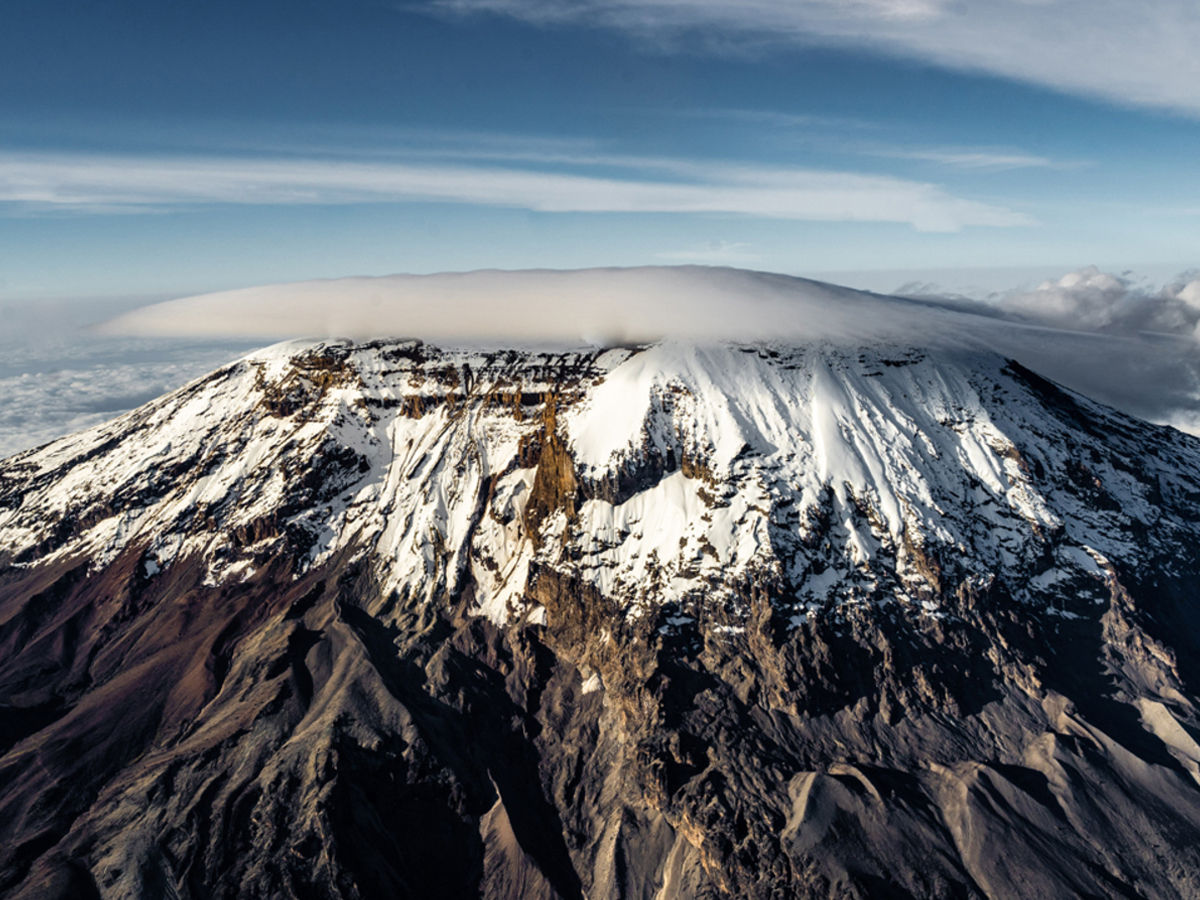
Mount Kilimanjaro is a stratovolcano with three distinct volcanic cones: Kibo, Mawenzi, and Shira. Kibo is the highest peak, while Mawenzi and Shira are extinct. The mountain features five distinct ecological zones:
Cultivated Zone: The lower slopes are covered with farmlands.
Rainforest Zone: Dense, lush forests teeming with wildlife.
Heath and Moorland Zone: Open landscapes with unique flora.
Alpine Desert Zone: Harsh, barren terrain with minimal vegetation.
Arctic Zone: The summit area, characterized by ice fields and glaciers.
Climbing Routes
There are several routes to the summit, each offering unique experiences and varying levels of difficulty:
Marangu Route: Known as the "Coca-Cola" route, it is the oldest and most established path. It offers hut accommodations.
Machame Route: The "Whiskey" route is more challenging and scenic, popular for its varied landscapes.
Lemosho Route: A longer route providing better acclimatization and stunning vistas.
Rongai Route: Approaching from the north, it is less crowded and offers a different perspective.
Northern Circuit: The longest route, providing excellent acclimatization and fewer crowds.
Umbwe Route: The steepest and most direct route, recommended for experienced climbers.
Best Time to Climb
The best time to climb Mount Kilimanjaro is during the dry seasons:
January to March: Cooler temperatures and fewer climbers.
June to October: Warmer weather and clearer skies, but more crowded.
Preparation and Gear
Climbing Kilimanjaro requires thorough preparation:
Fitness: Good physical condition is essential.
Gear: Quality hiking boots, layered clothing, sleeping bags, and trekking poles are crucial.
Guides and Porters: Hiring experienced guides and porters is recommended for safety and support.
Accommodations and Services
Base Hotels: Numerous hotels and lodges near the mountain provide accommodations and logistical support.
Hut Accommodations: Available on the Marangu Route.
Camping: Required on other routes, with porters setting up and managing campsites.
Wildlife and Cultural Experience
Mount Kilimanjaro is not just about the climb; the surrounding areas offer rich cultural and wildlife experiences:
Wildlife: Elephants, leopards, and various primates inhabit the lower slopes.
Cultural Tours: Visits to local Chagga villages and coffee farms provide insight into the local culture.
Booking Your Kilimanjaro Adventure
For summer 2024, it's essential to book your Mount Kilimanjaro package well in advance. Look for reputable tour operators offering comprehensive packages that include:
Guides and Porters: Ensure they are well-trained and experienced.
Permits and Fees: All necessary permits and park fees.
Accommodation: Pre- and post-climb lodging.
Meals and Water: Nutritious meals and clean drinking water during the trek.
Safety Measures: Emergency oxygen and medical kits.