Tour Price Range Per Person: (On Request )
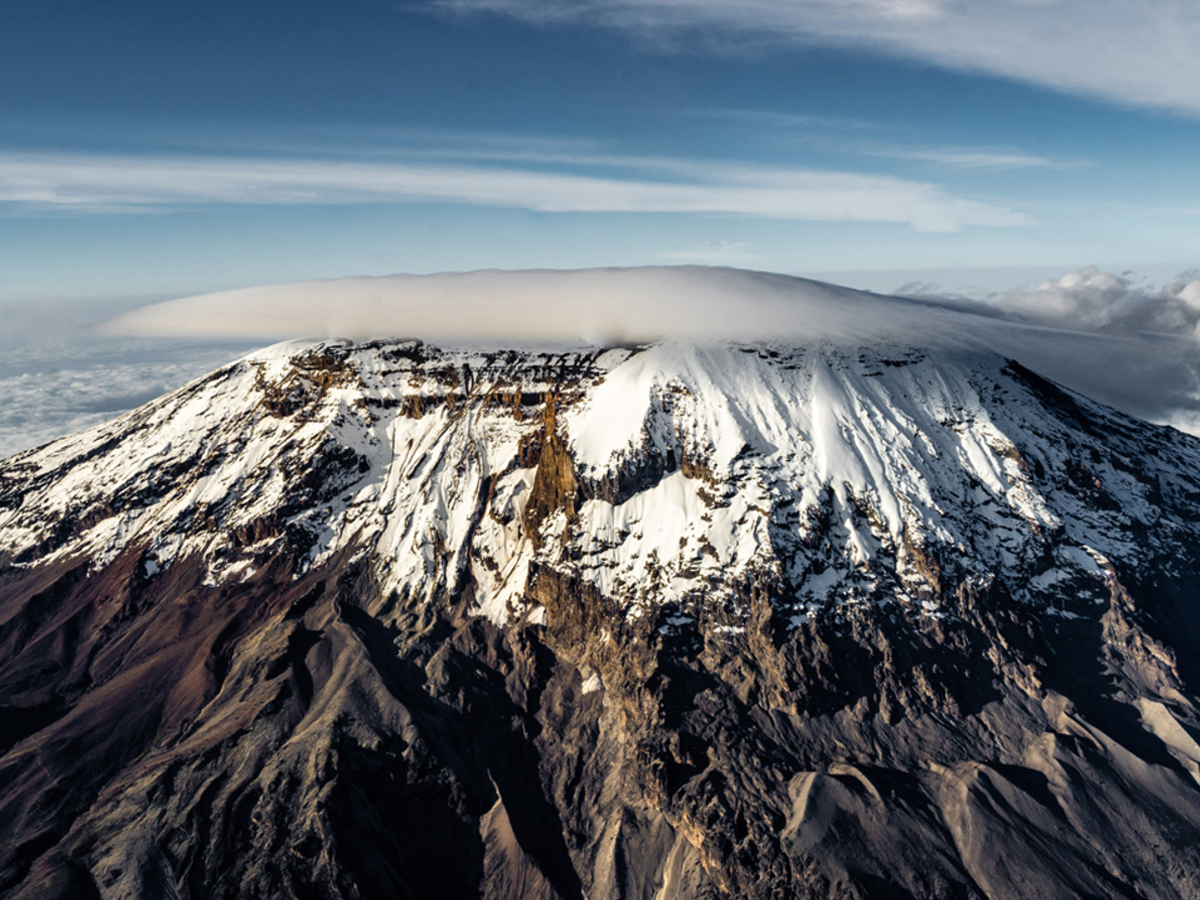
Mount Kilimanjaro, Africa’s highest peak, stands at 5,895 meters (19,341 feet) above sea level. Located in Tanzania, this dormant volcano is a popular destination for trekkers from around the world. Known for its breathtaking landscapes and diverse climatic zones, climbing Kilimanjaro is a bucket-list adventure for many.
Climbing Mount Kilimanjaro is a challenging but incredibly rewarding adventure. With proper preparation, choosing the right route, and respecting the mountain's natural environment, you can experience one of the world's most iconic treks. Whether you're drawn by the allure of reaching Africa's highest peak or the diverse ecosystems you'll encounter along the way, Kilimanjaro promises an unforgettable journey.
There are several routes to summit Kilimanjaro, each varying in difficulty, scenery, and duration. Here are the main routes:
1. Physical Fitness: Climbing Kilimanjaro requires good physical conditioning. Training should include cardiovascular exercises, strength training, and hiking with a weighted backpack.
2. Acclimatization: To reduce the risk of altitude sickness, it's important to acclimatize properly. Choose longer routes and follow the advice to "climb high, sleep low."
3. Gear and Equipment: Essential gear includes:
Sturdy hiking boots4. Permits and Guides: Climbing Kilimanjaro requires a permit, and all trekkers must be accompanied by registered guides. Many tour operators offer packages that include permits, guides, porters, and meals.
1. Day-by-Day Itinerary Example (Machame Route):
Day 1: Machame Gate to Machame Camp (2,835m)2. Altitude Sickness: Symptoms can include headaches, nausea, and dizziness. It’s crucial to communicate with your guide and follow a slow, steady pace.
3. Weather Conditions: Kilimanjaro's weather varies by altitude and time of year. Be prepared for extreme cold at the summit and potential rain in the rainforest zone.
The best times to climb Kilimanjaro are during the dry seasons:
January to March: Colder, with fewer climbers.3. Leave No Trace: Protect the environment by carrying out all trash and minimizing your impact.
2. Support Local Communities: Choose tour operators that ensure fair wages and working conditions for guides and porters..
3. Wildlife Conservation: Respect local wildlife and stay on designated trails to minimize habitat disruption..