Embarking on the monumental challenge of summiting Mount Kilimanjaro demands careful consideration of timing. This informative article delves into the intricacies of choosing the best time to climb Africas highest peak, taking into account weather conditions, crowd levels, and personal preferences. Whether you seek clear skies and moderate temperatures or quieter trails and discounted rates, this guide equips you with the knowledge to plan your Kilimanjaro ascent with confidence
Mount Kilimanjaro, standing proudly as the tallest peak in Africa, beckons adventurers year-round with its awe-inspiring beauty and unparalleled challenges. However, not all months are created equal when it comes to climbing Kilimanjaro. Factors such as weather patterns, precipitation levels, and crowd sizes vary throughout the year, influencing the overall climbing experience. This article serves as a comprehensive guide, offering insights into the best times to climb Kilimanjaro based on climatic conditions, trail conditions, and personal preferences, empowering climbers to make informed decisions and maximize their chances of summit success.
Tanzania Adventures
Here, we explore the nuances of selecting the optimal time to embark on your Kilimanjaro expedition, considering weather conditions, crowd levels, and personal priorities.
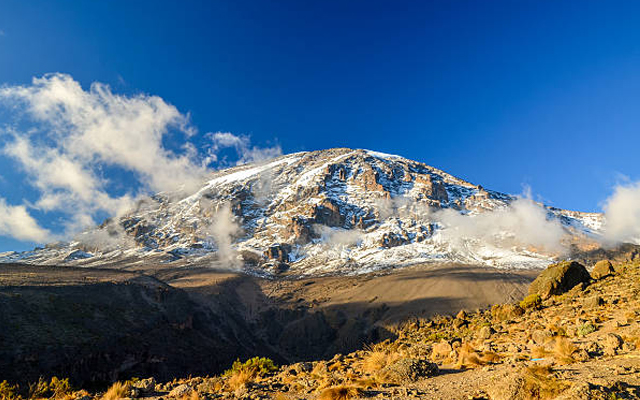
The dry season, spanning from June to October, is widely regarded as the best time to climb Kilimanjaro. During these months, the weather is typically stable, with clear skies and minimal rainfall. This translates to excellent visibility and ideal trekking conditions, making for a more comfortable and enjoyable ascent. Additionally, the dry season coincides with the Northern Hemisphere's summer vacation period, attracting a higher number of climbers. However, despite the increased traffic, the dry season remains a popular choice due to the favorable weather conditions and greater chances of summit success.
The months of November and December, as well as March and April, mark the shoulder seasons on Mount Kilimanjaro. During these transitional periods, the weather can be somewhat unpredictable, with the possibility of sporadic rainfall and cloud cover. While the shoulder seasons offer quieter trails and fewer crowds compared to the peak dry season, climbers must be prepared for variable weather conditions. Nonetheless, for those seeking a more tranquil trekking experience and lower accommodation rates, the shoulder seasons present an appealing alternative.
The green season, encompassing the months of November to May, is characterized by heavier rainfall and increased cloud cover on Mount Kilimanjaro. While the lush landscapes and blooming flora lend a picturesque charm to the mountain, the wet weather poses challenges for climbers, including muddy trails, reduced visibility, and heightened risk of altitude-related illnesses. Consequently, the green season is considered the least favorable time to climb Kilimanjaro, with fewer trekkers opting to tackle the mountain during this period. However, for those undeterred by the rain and seeking discounted rates and quieter trails, the green season may hold a certain allure.
Beyond weather considerations, climbers should also factor in personal preferences and priorities when choosing the best time to climb Kilimanjaro. Whether you prioritize optimal weather conditions, quieter trails, or discounted rates, selecting a timeframe that aligns with your preferences can enhance the overall climbing experience and increase your chances of summit success. Additionally, consulting with experienced guides and tour operators can provide valuable insights and assistance in planning your Kilimanjaro expedition.